

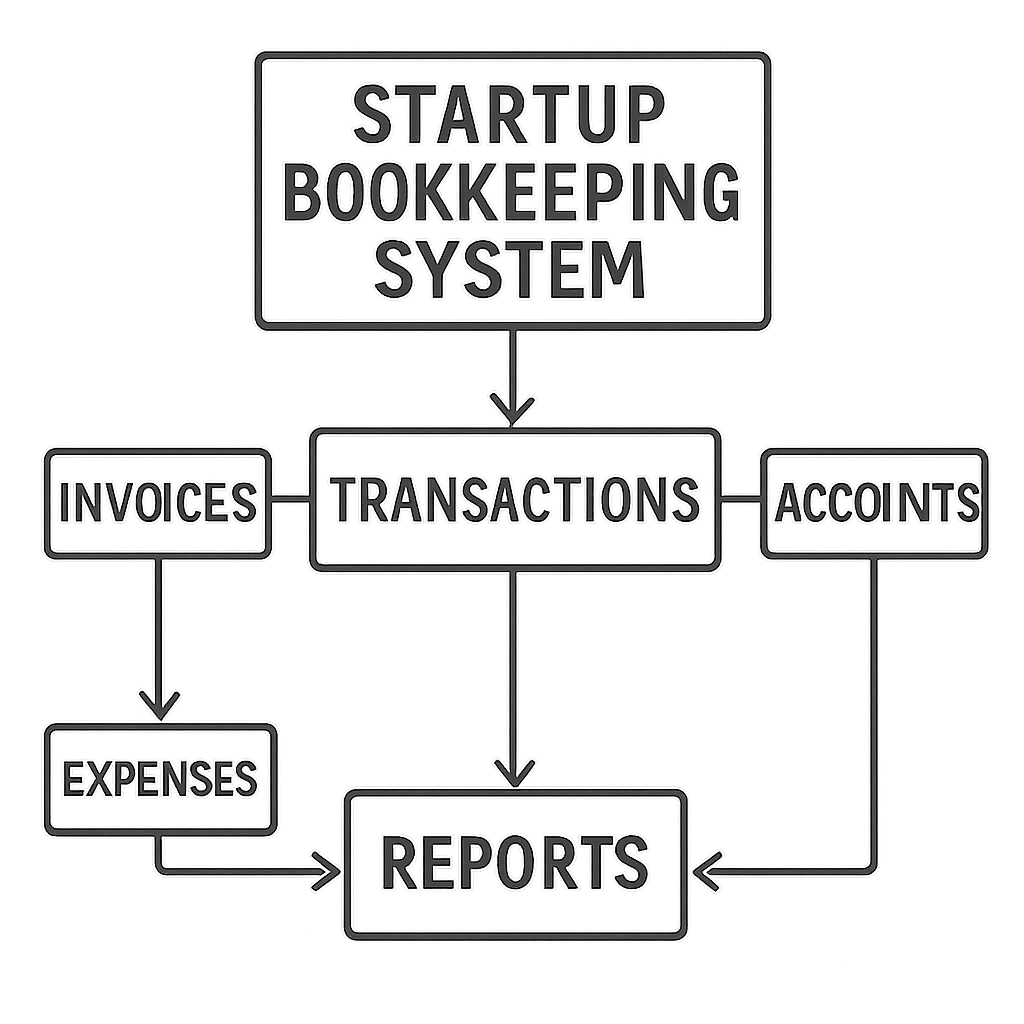
Starting a new business is an exciting journey. However, managing finances can be daunting for many entrepreneurs.
Bookkeeping is a vital part of running a successful startup. It helps track financial health and make informed decisions.
Without proper bookkeeping, startups risk financial chaos. This can lead to poor decision-making and potential failure.
Establishing a solid bookkeeping system from the start is crucial. It ensures clarity and accuracy in financial records.
This guide will provide essential bookkeeping tips for startups. These strategies will help ensure financial success and stability.
By following these tips, startup founders can focus on growth. They can build a financially healthy and sustainable business.
Why Bookkeeping Matters for Startups
Startups face unique financial challenges. Bookkeeping helps track expenses and revenue, crucial for survival. It forms the backbone of financial planning and decision-making.
Understanding the financial position is essential for startup founders. Accurate records help identify areas for cost-cutting and investment. Without proper bookkeeping, startups may struggle to manage cash flow effectively.
Bookkeeping also plays a vital role in compliance. It ensures startups meet tax obligations and avoid legal issues. Transparent records are necessary for audits and investor confidence.
Here are some reasons why bookkeeping is crucial for startups:
- Monitors cash flow and expenses
- Ensures compliance with financial regulations
- Provides data for strategic decision-making

Investors also value clear financial records. They are more likely to fund startups with organized books. Thus, good bookkeeping can pave the way for future growth.
Setting Up Your Startup Bookkeeping System
Establishing a solid bookkeeping system is foundational for startups. It organizes financial data from the beginning. This prevents future chaos and confusion.
Start by choosing the right tools and methods. Accounting software can simplify many processes. It automates tasks, saving time and reducing errors.
Consider what your startup specifically needs. Customizable software can grow with your business. Avoid generic solutions that may not cater to your industry’s nuances.
Here’s what to focus on when setting up your system:
- Selecting suitable accounting software
- Training staff on bookkeeping basics
- Setting up a regular review schedule
Bookkeeping is more than just tracking money. It helps you analyze financial performance. Regular reviews help you understand where your business stands.
Don’t hesitate to consult experts. A bookkeeper can guide you in setting up the system right. Their expertise ensures accuracy and compliance with financial regulations.
Choosing the Right Accounting Method: Cash vs. Accrual
Choosing an accounting method affects how you record transactions. Two common methods are cash and accrual accounting. Each has its benefits and drawbacks.
Cash accounting is simple. Revenue and expenses are recorded when money changes hands. It’s ideal for small startups with straightforward transactions.
Accrual accounting records revenue and expenses when they are incurred. This method provides a fuller picture of financial health. It suits businesses looking for a deeper understanding of their finances.
Consider these factors when deciding:
- Business size and complexity
- Long-term financial goals
- Regulatory requirements
The choice impacts financial statements and tax responsibilities. It’s wise to consult with a financial advisor. They can help determine the best method for your specific needs.
Opening a Business Bank Account and Separating Finances
Separating personal and business finances is vital. It keeps financial records clear and organized. Mixing finances can lead to confusion and potential legal issues.
Opening a business bank account is the first step. It distinguishes personal transactions from business-related ones. This separation simplifies tax filing and audit processes.
Here’s why a separate account matters:
- Simplifies bookkeeping
- Helps track business cash flow
- Protects personal assets in case of liability
Also, consider using a business credit card. It helps build business credit. Keeping financial activities separate maintains transparency. This practice leads to better financial management.
Selecting the Best Accounting Software for Startups
Choosing the right accounting software is crucial for startups. It streamlines financial tasks and enhances efficiency. With numerous options available, prioritize features over cost.
Identify what your startup needs in software. Simple interfaces improve usability. Scalable solutions grow with your business, accommodating increasing complexity.
Focus on features that cater to your specific industry:
- Invoicing and payment management
- Financial reporting and analytics
- Integration with other tools
Take advantage of free trials to test different platforms. This allows you to assess user experience and functionality. Consult with other startup founders. They can provide insights on what software worked well for them.
Your choice should align with your business size and goals. The right software aids in better financial decision-making. It ensures accuracy and saves time, offering a competitive edge.
Recording and Tracking Every Transaction
Accurate record-keeping is fundamental to startup success. Each transaction should be documented without fail. This practice ensures your financial records are complete and precise.
Set up a method to track all expenses, however small. Missing even minor costs skews your budget and reports. Use digital tools to automate and simplify the process.
Categorize every transaction for clarity. This helps in assessing where your money goes and improves budgeting. Common categories include:
- Office supplies and utilities
- Salaries and wages
- Marketing and advertising expenses
Regularly update your records to keep data current. Schedule periodic reviews to catch discrepancies early. This habit enhances financial transparency and supports informed decision-making. With reliable data, you can predict cash flow needs and invest wisely.
Managing Invoices, Receivables, and Payables
Effective invoice management ensures you get paid on time. Send out invoices promptly after goods or services are delivered. Use clear terms to avoid any confusion or disputes.
Follow up on overdue invoices regularly. Late payments can squeeze cash flow, threatening operations. A systematic reminder process can reduce tardy payments significantly.
Organize your accounts receivable to track each client’s dues. Knowing exactly what you’re owed helps maintain a positive cash flow. Use accounting software for up-to-date records.
Accounts payable need equal attention. Pay your vendors in a timely manner to maintain good relationships. Prioritizing these payments minimizes the risk of late fees.
Consider implementing electronic payment systems for efficiency. These systems can speed up both incoming and outgoing transactions. They also make tracking easier and more reliable.
Maintaining an organized invoice system reduces stress. It frees you to focus on growing your business. Efficient management of payments and receivables is key to financial stability.
Reconciling Accounts and Regular Financial Check-Ups
Account reconciliation is essential for maintaining accuracy. It involves comparing your records with bank statements. This ensures every transaction is accounted for.
Regular financial check-ups help detect errors early. They also provide insights into your business’s financial health. Dedicate time each month for these reviews.
During reconciliations, look out for discrepancies. Immediate attention prevents lingering issues. If any are found, investigate their cause and rectify them quickly.
Key steps for effective reconciliation:
- Match bank statements to your records.
- Identify and resolve any inconsistencies.
- Update financial logs to reflect accurate details.
Regular checks make end-of-year accounting smoother. They improve financial transparency and aid in strategic planning. A diligent approach here can lead to long-term financial success.
Understanding Key Financial Statements
Understanding key financial statements is vital for startup founders. These documents reveal your business’s fiscal standing. They are essential tools for decision-making.
Three primary statements are crucial. They include the balance sheet, income statement, and cash flow statement. Each serves a unique purpose in financial analysis.
These statements help stakeholders grasp financial strengths and weaknesses. They also inform strategic planning and forecasting. Knowing how to read them empowers you in conversations with investors and partners.
Familiarize yourself with each statement’s components. This knowledge enhances fiscal management. It also supports compliance with reporting standards.
Components of Key Financial Statements:
- Balance Sheet: Assets, liabilities, and equity.
- Income Statement: Revenue, expenses, and profit.
- Cash Flow Statement: Operating, investing, and financing activities.
Balance Sheet
The balance sheet captures your startup’s financial snapshot. It lists assets, liabilities, and equity. Assets must equal liabilities plus equity.
Review the balance sheet frequently. It uncovers financial stability and liquidity. This practice aids in managing liabilities and assessing growth potential.
Income Statement (Profit & Loss)
The income statement, or profit and loss, details financial performance. It shows revenue earned and expenses incurred over time.
Regular reviews reveal profitability trends. They highlight areas needing cost control or revenue growth. This insight is crucial for ongoing viability.
Cash Flow Statement
The cash flow statement summarizes cash inflows and outflows. It categorizes them into operations, investing, and financing.
Monitoring cash flow helps maintain positive liquidity. This is essential for daily operations and strategic investments. Always ensure sufficient funds for obligations.
Tax Planning and Compliance for Startups
Tax planning is a crucial aspect of startup financial health. Startups should understand and plan for taxes early on. This helps in avoiding penalties and ensures proper financial management.
Different taxes apply to startups. These include income, sales, and payroll taxes. Knowing your obligations prevents legal issues and supports compliance.
Effective tax planning involves setting aside funds regularly. This practice avoids surprises when tax deadlines approach. It also provides peace of mind throughout the year.
Consider consulting with a tax professional. They can offer tailored advice and ensure you’re taking advantage of all available deductions. This investment can save money and prevent costly mistakes.
Essential Tax Planning Tips:
- Know filing deadlines specific to your region.
- Keep detailed records of all business expenses.
- Regularly set aside money for tax obligations.
- Stay informed about changes in tax laws.
Leveraging Bookkeeping Insights for Growth and Funding
Bookkeeping provides valuable insights crucial for strategic decisions. It helps in spotting trends and managing financial resources efficiently. These insights lead to informed growth strategies.
Investors scrutinize financial statements when considering funding. Clear, accurate records make your startup more appealing. Well-organized financial data demonstrates reliability and potential for return on investment.
Use your bookkeeping data to evaluate your business’s performance. This helps identify areas that need improvement or expansion. Financial insights are key to setting realistic growth goals and achieving them.
Key Ways to Leverage Bookkeeping:
- Analyze financial performance for strategic planning.
- Demonstrate financial health to potential investors.
- Identify opportunities for cost reduction and efficiency.
DIY, Hiring, or Outsourcing: What’s Best for Your Startup?
Choosing how to manage bookkeeping can be daunting. Startups must decide whether to do it themselves, hire staff, or outsource. Each option has pros and cons.
DIY bookkeeping offers control and cost savings. However, it demands time and financial knowledge. Conversely, hiring provides expertise in-house, allowing for personalized finance management.
Outsourcing is another viable option. It ensures expert handling without the overhead of full-time staff. This method offers flexibility but may lack immediate, in-person support.
Considerations for Choosing Your Bookkeeping Method:
- Time availability and financial expertise
- Budget constraints and staffing needs
- Specific business and industry requirements
Bookkeeping Best Practices and Common Mistakes to Avoid
Proper bookkeeping is essential for startup success. Common mistakes can hinder financial health. Startups should adopt best practices to avoid these pitfalls.
One common error is neglecting to separate personal and business finances. This can lead to confusion and inaccurate financial records. Maintain distinct accounts to ensure clarity.
Another mistake is failing to consistently update financial records. Outdated information can lead to poor decision-making. Regular updates are crucial for financial insight.
Key Best Practices to Implement:
- Separate personal and business finances
- Regularly update financial records
- Keep digital copies for all documents
Avoid these mistakes to maintain financial stability. Following best practices will support long-term success.
Embracing Technology and Automation in Startup Bookkeeping
Technology revolutionizes how startups handle their finances. Embracing automation saves time and reduces errors in bookkeeping tasks. It streamlines processes crucial to business growth.
Automated tools can manage invoicing, payroll, and even expense tracking efficiently. They improve accuracy while freeing up resources. These tools allow founders to focus on core business activities.
Consider cloud-based accounting solutions. They offer flexibility and real-time data access from anywhere. This is especially useful for teams working remotely or on-the-go.
Benefits of Technology and Automation:
- Streamlines bookkeeping processes
- Reduces manual errors
- Provides real-time financial insights
By integrating technology, startups can enhance their financial management. These innovations lay the groundwork for scalable success.
Conclusion: Building a Financially Healthy Startup
Effective bookkeeping forms the backbone of a successful startup. Through disciplined financial practices, startups gain clarity and control over their finances. This foundation is vital for informed decision-making and long-term success.
Founders should prioritize financial literacy. Understanding your business numbers helps in crafting strategies for growth. It prepares businesses for unexpected challenges, creating a more resilient enterprise.
Remember that a financially organized startup is better equipped to seize opportunities. By continually refining your bookkeeping practices, you lay the groundwork for a sustainable and prosperous business future.







Leave a Reply