

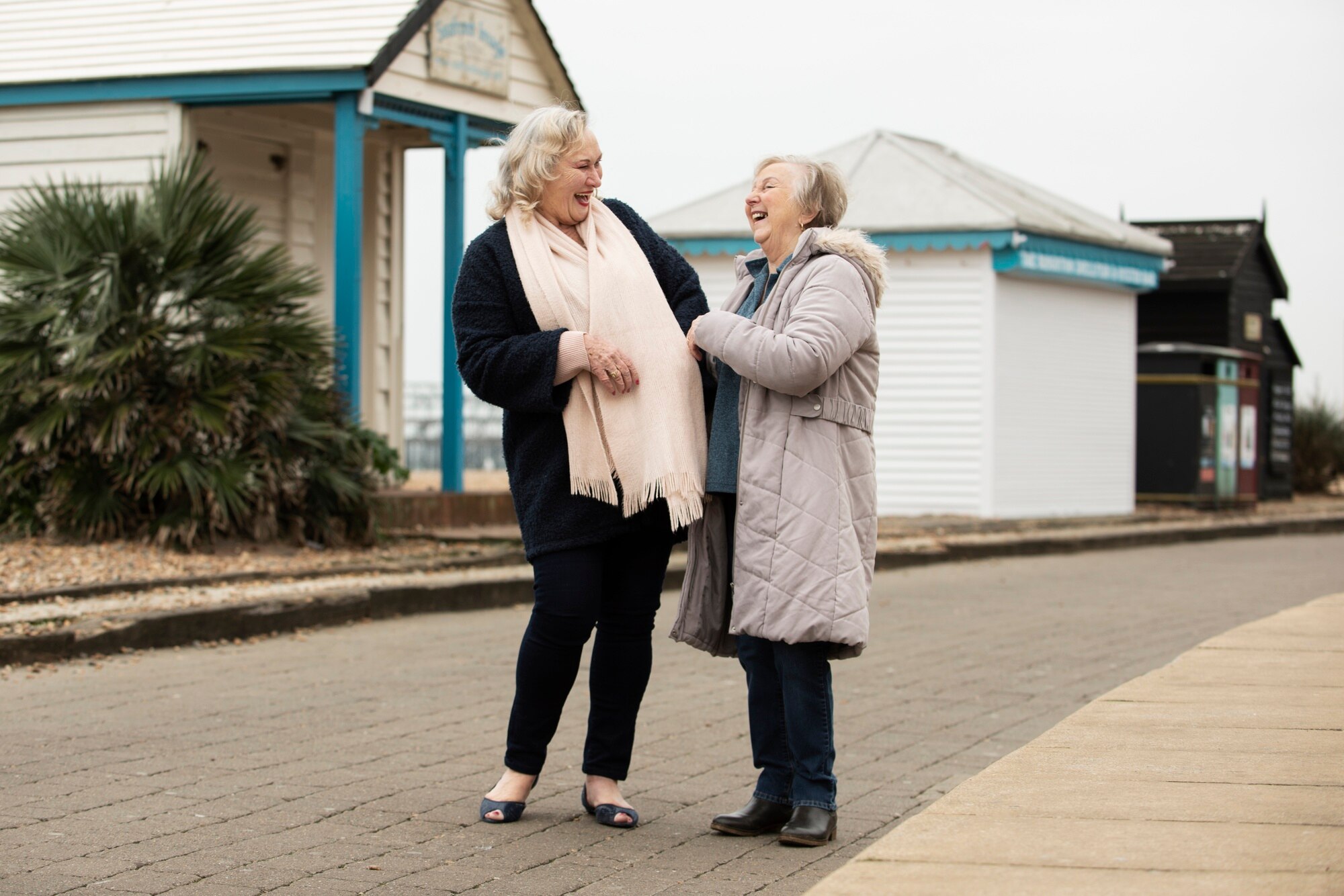
Advantages of Independent Living in Retirement
Deciding where and how you want to live in later life is a big decision. It’s personal as well. If you are thinking about moving to retirement living, independent retirement living can offer you more freedom, more connection and less day-to-day stress than you might think.
For many Australians, this stage is not about taking it easy. It’s about living well. That’s why modern retirement villages have become such a strong option for people who want comfort, community and peace of mind without having to give up their independence.
The true meaning of independent retirement living
Independent retirement living is for older Australians who want to continue living life on their own terms. You have your own home, your own routine and your own privacy, but you also have access to shared facilities, social opportunities and support if you need it.
This is a very different idea from the old idea of retirement homes. “In the past, people thought of retirement homes as places they moved into because they had to. Today’s retirement villages are much more lifestyle-oriented, with homes and amenities built around comfort, ease and choice.
This shift matters. Much. You’re not just picking a place to live. You’re choosing how you want your day-to-day life to feel.
Why more Australians are living over fifty
No wonder living Over 55 continues to grow in popularity across Australia. Many want to move from a large family home, reduce maintenance and move to somewhere that suits the way they live now.
There is a practical appeal, but also an emotional one. Perhaps you’d like to worry less and have more time for the things you love. You may also want to live close to people in a similar stage of life, without feeling boxed in or constrained.
That’s where modern Over 55 living communities come into their own. They’re designed to support independence, not hamper it.
A simpler, less high-maintenance lifestyle
Traditional homes can be a lot of work to own. There is always something to clean, fix, mow, or change. You might love your home, but the maintenance can wear on you after a while.
Independent retirement living takes a lot of that pressure off. Many retirement villages have the village operator looking after gardens, shared spaces and external maintenance so you can spend less time on chores and more time doing what matters to you.
That can be a real relief. It makes room, too. “When you’re not busy with maintenance, things feel lighter.
More freedom in your everyday life
Many people think that moving to retirement villages is about giving things up. Many residents, in fact, believe they gain far more than they lose. Often they gain time, convenience and a stronger sense of ease.
You don’t need to spend your weekends doing gutters or organising trades. You can get out for coffee, catch up with friends, have an activity or just enjoy a quiet morning at home without the usual list of jobs waiting for you.
It’s no small freedom. It makes your days feel different.
A greater sense of community
One of the great advantages of independent retirement living is the social elements of life. In a well-run village it’s easier to meet people, make friends and feel part of something without sacrificing your privacy.
That balance matters. You can jump in whenever you want and have your own space when you don’t. For many, that combination helps fight loneliness and makes daily life more enjoyable.
Most modern retirement villages have shared spaces like clubhouses, lounges, gardens, gyms, libraries or community centres. They’re places where social connection feels organic, not contrived.
You might discover walking groups, craft sessions, happy hour meet-ups, movie nights or resident committees. Or you might just want a neighbour nearby to say hello and check in on you now and then.
Safety and peace of mind.
Your needs change, making safety more important. That’s not to say you want constant supervision. It means you want an environment that feels safe, well designed and easy to navigate.
One of the biggest benefits of Over 55 living is this. Many communities include features such as step-free access, wider doorways, good lighting, emergency call systems and secure entry points which can help you feel more confident at home.
That peace of mind is often extended to your family, too. They may feel less worry knowing you live in a place designed for older residents.
Comfort and ease homes
Many older homes on the general market weren’t built to age well. Stairs, tight bathrooms, awkward floor plans and high-maintenance yards can make everyday life more difficult than it needs to be.
However, homes in retirement villages are often more conducive to easier living from the outset. You might discover open-plan layouts, low-maintenance finishes, accessible bathrooms and practical storage that make the home feel comfortable now and more suitable for the years to come.
It doesn’t mean clinical, or boring. Not one bit. Trendy villas, apartments and cottages in many of the modern villages feel fresh, inviting and well thought through.
The emotional benefits of the move
This is not just about property. “It’s about how you want to live. Moving out of a long-time family home can bring up mixed emotions, even when you know it is the right thing to do.
That’s all right. Change can be heavy at first. But many people say they do feel a real sense of relief once they settle into independent retirement living and stop carrying the pressure of a home that no longer fits.
You’d sleep better. You might feel more connected. When your home works for your life, not against it, you might even start to feel like yourself again.
What is the difference between retirement homes, retirement villages and assisted living?
These terms are frequently confused. Knowing the difference helps.
- Retirement homes is a common, general term used by people to refer to accommodation for older Australians. In common parlance it can refer to a number of models, such as village living, supported accommodation or older-style senior housing options.
- Retirement villages are generally built for self-sufficient living. Residents live in self-contained homes and manage their own daily lives but also enjoy community facilities and village services.
- Assisted living is somewhere between full independent living and residential aged care. Depending on the provider and the arrangement, it may include help with meals, cleaning, reminders for medication or personal support.
- That difference is important when you are comparing options. Independent retirement living may be a better fit than assisted living if you’re still active and able, but want a safer, lower-maintenance lifestyle.
it is wise meanwhile to look forward. Certain villages provide access to additional services over time, potentially easing future transitions and reducing stress if your needs change.
Modern Alternative to the Traditional Retirement Home
Older senior housing models typically provided basic shelter. They served their purpose, but not always as a lifestyle, choice or independence.
Retirement villages have changed all that today. Many are focused on wellness, social connection, convenience and everyday enjoyment, which makes them seem far removed from the older image that many people still have in their head when they hear the words retirement homes.
That modern approach is a major reason why we’re seeing more Australians looking to Over 55 living sooner, when they’re active and ready to make a positive move, not a reactive one.
You are independent but support is at hand
A common question is whether moving to a village means giving up control. No it doesn’t. However, in most independent retirement living settings you still have to be responsible for your own schedule, choices and lifestyle.
That independence often feels more, not less, potent. You have your own front door, your own routines, your own privacy but help might be easier to access if you need it.
Some villages offer residents connections to home care providers or optional services. Some are near health services, shopping precincts and public transport, which can make everyday life easier without changing the way you live independently.
Practical and financial benefits
Financial sense is also a factor for many in Over 55 living. Downsizing can help free up capital, reduce household costs and cut the cost and effort of maintaining a larger property.
But you still have to understand the contract, the fee structure. That’s important. Costs of entry, ongoing charges and exit arrangements differ from one retirement village to another, so it’s worth seeking clear advice before you commit.
Still the day-to-day value can be good. All too often you’re paying for more than a house. You’re paying for convenience, amenities, security, and a setting suited to your life stage.
Wellbeing supported by social connectedness
Humans require connection. It doesn’t change with age. In fact, good social ties can make a big difference to your mental health, your confidence and your enjoyment of life.
That’s where independent retirement living can excel. Being close to people with similar life experiences can help to form friendships, keep active and be part of a community without pressure.
Every little moment counts. A wave from a neighbour, a chat after an event or a regular coffee catch-up can help to create a real sense of belonging.
A lifestyle that changes with you
The best housing choice isn’t just about today. But it should also support your future. Which is another reason why many Australians look at retirement villages before they have to move into one.
Choose wisely and your new home can support you for years. Easy access and transport, nearby health services, and/or alternative support pathways can all help you stay settled and confident as life changes.
It doesn’t mean you’re planning for the worst. It means you are planning well.
What to look for when researching independent retirement living
Not all of the villages are the same experience. Some feel sociable and lively. Some are silent and private. Neither is wrong but one may suit you better than the other.
No hurry. Come more than once. Walk through the common areas, look closely over the home, ask about fees, and talk to current residents if possible.
You should also ask about how the village handles maintenance, security, guest access, pets, parking, and future care needs. If you are also considering assisted living options, be sure you understand exactly what support each provider offers and what costs extra.
Why the choice can feel empowering
Moving house later on in life can be emotional but it can be very positive. When you choose independent retirement living, you’re making a choice for your comfort, your wellbeing and your future while you still have the freedom to choose what suits you best.
That’s impressive. It gives you the control. You create a living situation that supports the life you want now, instead of waiting for a crisis or living in a home that no longer works.
To many Australians that is the real value of Over 55 living. This is not about giving up independence. This is about defending it.
Final thoughts
If you’re looking for a home that feels safer, easier to manage and more connected, independent retirement living is worth serious consideration. Modern retirement villages are a far cry from the old image of retirement homes, with more emphasis on choice, comfort and community.
Take your time. But you should be confident about the choices you make. When the right setting offers more freedom, more support, and more peace of mind, the move can feel less like an ending and more like a better way to live.







Leave a Reply