

A lot of builders don’t sort out cameras until after something goes missing. The genny gets nicked from the site shed. Someone cuts the copper out of three frames in Truganina over Easter weekend. The excavator gets tagged. Then it’s police reports, insurance calls, the client asking questions, and trades standing around waiting on replacement gear.
That’s usually when someone says they should’ve sorted the CCTV before they started.
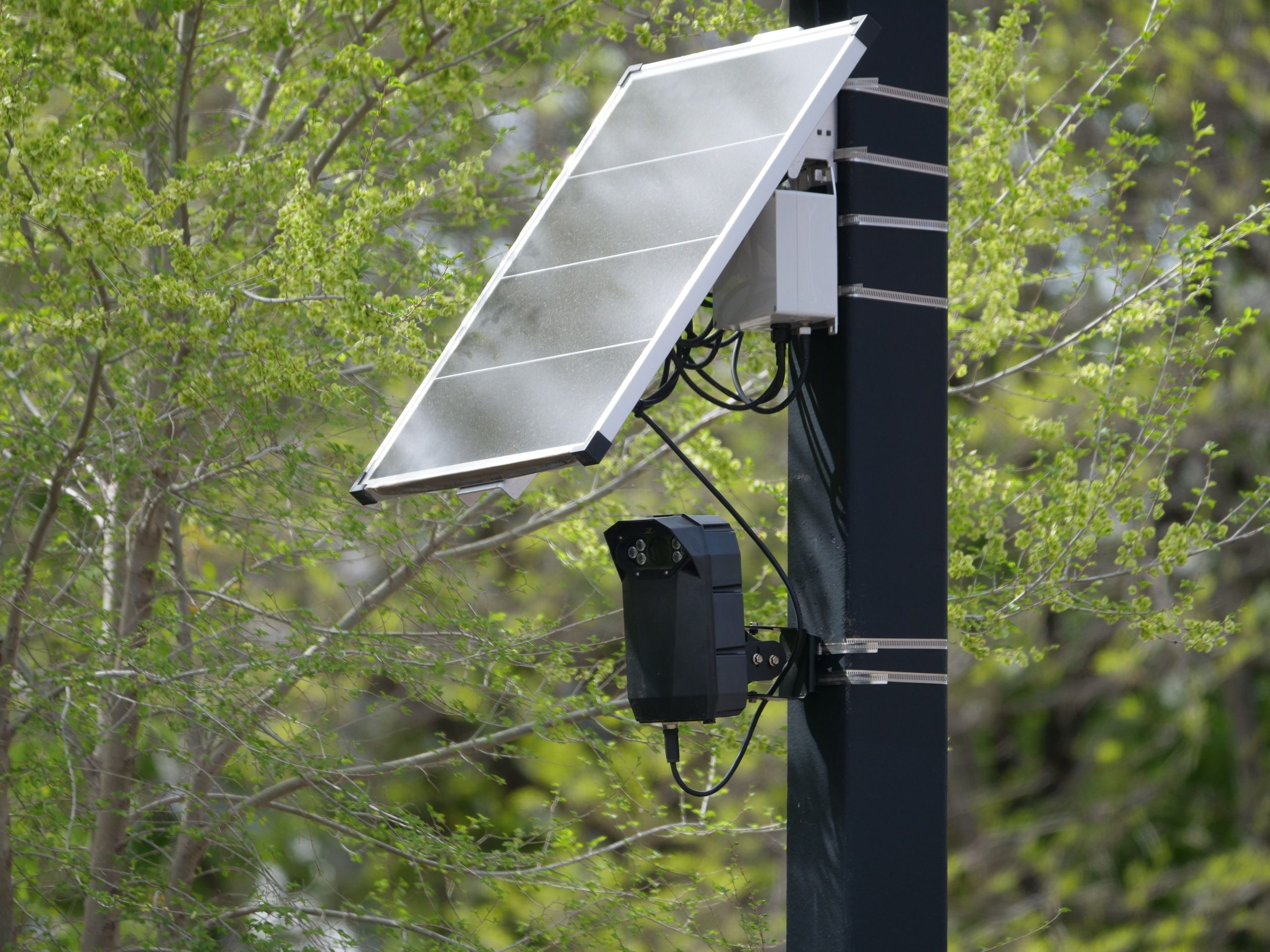
Here’s the thing with construction sites — most of them have no power for the first couple of months. Temp pole’s not in, genny’s unreliable, and you’re not running cable to a camera system that’ll need to move four times before the job’s done. Solar towers fix that. They show up on a truck, get dropped inside the fence, and they’re recording the same afternoon. No sparky, no trenching, no waiting.
Why solar makes sense on a building site
A site at frame stage looks nothing like it does at lock-up, and nothing like it does the week before handover. Materials move, the plant parks somewhere different, fences shift. A wired system installed in month two is usually pointed at the wrong spot by month six.
Solar towers are designed to move with the job. Most are on a trailer or weighted base — mast up top, two to four cameras, panel, batteries, 4G modem. They power themselves during the day and run through the night. The only thing they need from you is a decent mobile signal and somewhere flat to sit.
If you’re running Construction Site Solar CCTV in Melbourne, solar is almost always the right call unless the building’s already got permanent power and you’ve got a reason to run something fixed.
Hire, don’t buy
Some builders buy a tower or two thinking they’ll save money over a few jobs. Sometimes it works out. More often the towers end up in a yard somewhere with dead batteries and a cracked panel, because there’s no one person responsible for maintaining them.
Hiring is cleaner. The cost goes in prelims for each job. Someone else worries about the batteries, the firmware updates, the modem that dropped off network at 3am. When a newer system comes out, the hire fleet gets updated. The unit you bought three years ago doesn’t.
You can also scale it. One tower for a duplex in Footscray. Five spread across a staged estate in Officer. You’re not stuck with what you bought.
CCTV hire in Melbourne also suits the rhythm of how most builders work — back-to-back jobs, different locations, different risk profiles. Hire for the duration, hand it back, done.
What actually goes wrong on Melbourne sites
Theft is obvious, but it’s not the only thing.
The worst windows are between lock-up and fixing — copper in the walls, hot water units on site, split systems in boxes in the garage, and houses that look finished from the street but have unlocked doors and nobody home. Growth corridors are the worst for it. Donnybrook, Mickleham, Clyde North, Wyndham Vale. Dark streets, half the lots still vacant, no one looking out the window.
Copper’s the main target because it’s easy to shift. Some crews will do three or four houses on the same street in a night if they know what stage everything’s at.
Beyond that:
- People getting into upper levels of mid-rises for the view or for social media
- Someone sleeping in the basement or stairwell
- Spray paint on fresh render or brand new hoarding
- Fuel siphoned out of plant overnight
- Subbies helping themselves to materials on a Saturday
- Rubbish dumped over the fence into your skip
A tower with a flashing light and a sign on it turns away most of the opportunistic stuff. People looking for an easy target will move on to the site down the road. The ones who’ve planned it are a different problem — but monitored cameras can stop that mid-job, and footage of a vehicle and a face is a lot more useful than a police report with nothing in it.
Melbourne winter will find the weak spots
January’s not the test. June and July are.
Short days, long grey stretches, a week without proper sun. That’s exactly when the batteries are under the most pressure — longest nights, infrared running for fourteen hours, panels getting maybe four hours of decent light on a good day.
Before you hire anything, ask:
- How many days does it run with no charge at all?
- What size is the battery bank, and how old are they?
- What happens if the charge gets low — does it alert someone, or does it just go dark?
- Will they swap or recharge it quickly if it drops?
If the answers are vague, that’s your answer.
Wind’s also worth thinking about. A northerly across open paddocks west of Werribee or down the bay side can push a light tower around. Soft ground on a new estate can let the trailer legs sink and tilt the mast. A camera filming forty-five degrees off where it’s supposed to be pointing isn’t much use at 2am.
Check the cameras are rated for actual outdoor use, not just technically not indoor. Hail and sideways Melbourne rain will test that pretty quickly.
Signal matters more than people think
Solar CCTV towers run on mobile data. Without it, all you’ve got is a hard drive sitting on site recording to itself, and if someone nicks the tower, there goes the footage.
Inner Melbourne is generally fine. Out in the growth corridors it can be patchy, particularly in estates that are still early in development. The housing’s going in faster than the mobile infrastructure sometimes.
Ask the supplier to do an actual check at your address before they deliver — not just glance at a coverage map. The difference between a site with signal and one without it is the difference between a monitored system and an expensive recording device.
Better units run dual SIMs or have external antennas to switch between networks. They should also record locally if the connection drops, so you’ve still got footage to pull afterwards.
Monitored or just recording?
This is where pricing splits and it’s worth being honest with yourself.
Record-only is cheaper. You get footage and maybe an alert on your phone. But realistically, are you checking your phone at 2:30am? Most people aren’t. You find out about it the next morning, same as you would have without cameras — except now you’ve got video.
Monitored means the alert goes to a control room. Someone looks at the footage, decides if it’s real activity, and either talks through the speaker on the tower, calls the police or sends a patrol out. That’s the difference between footage of the theft and stopping the theft.
Whichever way you go, smart detection matters. Basic motion alerts on a construction site are useless. Shade cloth moves, the rain sets it off, something runs across the fence. You’ll get woken up forty times a night and start ignoring all of it. Look for systems that can filter out the noise and flag people and vehicles specifically.
Tight inner-city build vs big outer suburban estate
Construction Site CCTV in Melbourne isn’t a one-size setup.
A townhouse in Northcote has maybe two or three cameras, a compact unit because there’s no room for a full trailer tower, and the cameras need to stay on the site and not point into the neighbours’ yards or the street. Privacy matters more when you’re ten metres from someone’s lounge room.
A 300-lot estate in Pakenham or Wollert is a completely different problem. Long perimeters, multiple access points, materials compounds, plant and equipment spread across several stages at different levels of completion. That needs multiple towers, longer-range or thermal cameras, and monitoring — because nobody’s watching fifteen feeds from their phone at 11pm.
Work out what you actually need to cover before you decide what to hire.
Getting it set up and moving it around
One of the practical wins with solar hire is turnaround time. A decent supplier can usually get a tower delivered and running within a day or two of calling. Sometimes same day if something’s just happened.
Moving it as the job changes should be simple, but check how that actually works before you sign. What counts as a relocation? Is it included or charged per move? How much notice do you need to give? A tower that made sense at slab stage can be pointing at a wall by lock-up. If relocating it is a week-long process, that’s a problem.
Questions to ask before you hire
- What’s the weekly or monthly rate and what does it actually include?
- Is there a minimum hire term?
- Who delivers, sets it up, moves it, and picks it up?
- If the unit goes offline at night, who finds out first — you or them?
- How long is footage stored and how do you get hold of it if you need it?
- Can you see actual footage from a live site at night, not a sales reel?
- Who’s up for it if the tower gets damaged or stolen?
Also ask about Victorian signage requirements. CCTV signs need to be visible, and audio recording has stricter rules than video. Any supplier who knows construction sites should handle this automatically — if they look blank when you ask, that’s a flag.
Sort it before you need it
Builders who’ve been hit all say the same thing. They were going to get the cameras in, then the job got busy, then it was a long weekend, and then the copper was gone and the plumber had to come back and redo two weeks of rough-in work.
Solar CCTV hire for construction sites in Melbourne isn’t complicated. Find something that holds up through winter, has actual signal at your site, and comes with a supplier who picks up the phone when something goes wrong. Get it in before lock-up. Not after the first claim.





Leave a Reply