

Playground Softfall Installation
Picture your local playground on a busy Saturday. Kids are flying off the swings, racing up the slide, and tearing around like little rockets! But have a squiz at the ground under all that fun. Is it a muddy patch worn bare under the swings? A puddle sitting there for days after one of those cracking summer storms? Hard, baked dirt in the busiest spots?
If you live around Brisbane, Ipswich, Logan, Moreton Bay, the Goldy, the Sunny Coast, or Toowoomba, you’ve seen it all. School playgrounds and council parks cop a hammering, and the ground takes the worst of it. But here’s the good news! There’s a clever, essential part of every good playground that keeps our kids safe when they tumble, and it’s called softfall.
By the end of this yarn, you’ll know exactly what softfall is, how it’s put in, and why getting it right matters so much for safety, upkeep, and long-term value. It’s simpler than you’d reckon, and honestly, pretty brilliant!
So, What Exactly Is Softfall?
Let’s keep it nice and easy. Softfall is the soft, cushioned surface that goes underneath and around playground equipment. Its whole job is to soften the landing when a kid takes a tumble — and trust me, they always do!
Think of it like a bike helmet. You hope you never need it, but boy, are you glad it’s there when things go pear-shaped! Softfall works the same way. It turns a nasty fall onto hard ground into a gentle, safe landing.
Without it, that lovely playground is basically a set of monkey bars over concrete. With it, kids can climb, swing, and leap with confidence. And that peace of mind is absolute gold for parents, teachers, and councils alike!
Why Softfall Matters So Much
Here’s the thing. Playgrounds are all about kids pushing their limits. Climbing higher, swinging faster, jumping further. That’s exactly what we want! But it also means falls are part of the deal.
Softfall is what makes those falls safe. A good, springy surface soaks up the impact, so a slip off the top of the slide ends in a giggle instead of a trip to the hospital. That’s a massive deal when you think about how many little tackers use our public playgrounds every single day.
It’s not just about safety, either. Good softfall keeps the whole area tidy, dry, and welcoming. No more muddy bogs. No more slippery patches. Just a clean, comfy surface that’s ready for play, rain or shine!
Playground Softfall Options
| Softfall Type | Description | Common Application | Key Consideration |
|---|---|---|---|
| Softfall mulch | Loose-fill impact-attenuating mulch | Schools, parks and community playgrounds | Requires regular depth checks and replenishment |
| Rubber softfall | Resilient rubber surfacing designed to absorb impact | Playgrounds, recreation areas and selected school applications | Must be appropriate for the site and impact requirements |
| Rubber tiles | Modular rubber surfacing | Smaller play areas and specific equipment zones | Individual tiles can be replaced if damaged |
| Poured rubber | Continuous synthetic impact-attenuating surface | High-use playgrounds and accessible play areas | Requires appropriate sub-base and drainage |
| Synthetic impact-attenuating surface | Engineered synthetic surfacing system | Playgrounds requiring a continuous surface | Product and installation specifications need to be checked |
The Common Softfall Materials
Now for the fun part. There’s more than one way to cushion a playground, and each option’s got its own strengths!
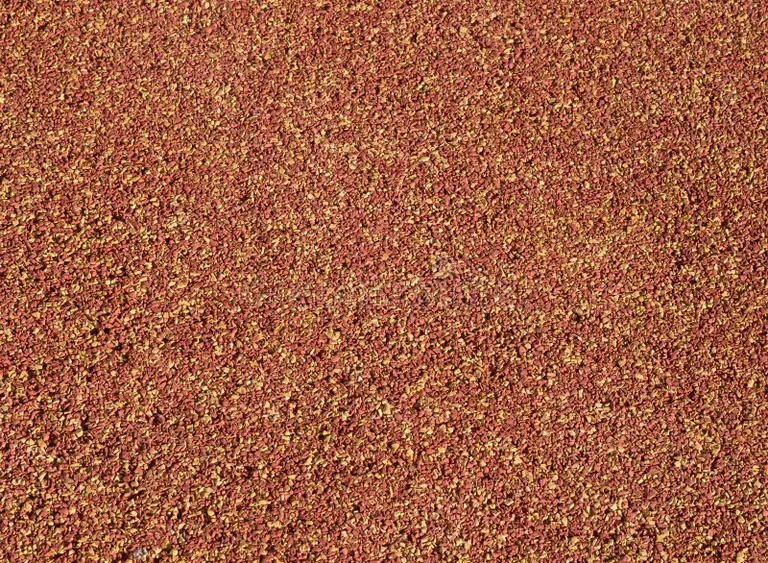
Rubber softfall is the smooth, seamless stuff you’ve probably seen in bright colours at flash new parks. It’s poured on site, sets into a firm-but-springy surface, and it’s brilliant for wheelchairs and prams because it’s lovely and flat. Barefoot kids love it too!
Rubber mulch and bark or woodchip are the loose-fill options. They’re a scatter of soft material spread thick across the play area. They cushion falls beautifully and cost less up front, though they need topping up now and then as they spread and settle.
Synthetic grass with a soft underlay is another top choice. It looks green and gorgeous all year round, feels soft underfoot, and doesn’t turn to mud after rain.
Each one suits different budgets, spaces, and needs. The trick is matching the right material to the right playground!
How Installation Actually Works
Here’s where it gets clever, and it’s a proper step-by-step job.
First comes the groundwork. The crew clears the area, levels it off, and shapes the base so it’s just right. This bit’s dead important — a good surface starts with a good foundation, just like a house!
Next, they build up the layers. There’s usually a solid base of compacted gravel or crushed rock, which gives everything strength and helps water drain away. On top of that goes the softfall itself, whether that’s poured rubber, a bed of mulch, or synthetic turf with its cushy underlay.
For poured rubber, the crew mixes it up and spreads it smooth, then lets it cure into that firm, springy finish. For loose fill, they spread it evenly to the right depth. For synthetic grass, they roll it out over the underlay and lock it all in place.
Then it’s tested, tidied up, and ready for the kids. Simple, tidy, and built to last!
Playground Softfall Installation Process
| Stage | What Happens |
|---|---|
| 1. Site assessment | Existing playground, equipment, ground conditions and drainage are assessed |
| 2. Fall-zone assessment | Equipment locations and relevant fall areas are identified |
| 3. Surface selection | A suitable softfall system is selected for the site |
| 4. Ground preparation | Existing material is removed or prepared and the sub-base is established |
| 5. Drainage installation | Drainage is installed where required to manage water movement |
| 6. Edging | Appropriate edging is installed to contain loose-fill material where applicable |
| 7. Softfall installation | The selected surfacing is installed to the required specification |
| 8. Equipment interface | Surface levels and clearances are checked around playground equipment |
| 9. Compliance inspection | The completed installation is inspected against relevant requirements |
| 10. Handover and maintenance | Maintenance requirements and inspection schedules are established |
Drainage: The Unsung Hero
Let’s talk about the big one for us Queenslanders. Rain! When those summer storms roll through, they absolutely bucket down.
This is where drainage becomes the quiet champion of any playground. If water can’t escape, you end up with puddles, boggy patches, and a surface that’s slippery and unusable for days. Nobody wants that!
Good installation sorts this out from the ground up. That base layer of gravel lets water trickle straight through instead of pooling on top. The whole surface gets a gentle slope so water runs off nicely. And the right softfall material lets rain drain away rather than sit around.
Get the drainage right, and the kids are back playing the day after a downpour. That’s the dream!
Safety and Compliance for Schools and Councils
Here’s something worth knowing. Playgrounds aren’t a free-for-all. There are proper Australian Standards that spell out exactly how safe a play surface needs to be.
The big one is all about impact. Softfall has to cushion a fall from the highest point a kid can reach on the equipment — that’s called the “fall height.” The taller the climbing frame, the thicker and softer the surface underneath needs to be. Makes perfect sense, right?
For schools and councils, ticking these boxes isn’t optional. It’s about keeping kids safe and doing the right thing by the community. A properly installed, compliant surface means the playground passes its safety checks and everyone can relax.
There’s accessibility to think about too. Smooth, firm surfaces like poured rubber mean kids in wheelchairs, or mums and dads with prams, can join in the fun. That’s what makes a playground truly welcoming for everyone!
Playground Softfall and Australian Standards
| Standard | Relevance |
|---|---|
| AS 4422 | Playground surfacing specifications, requirements and test methods |
| AS 4685 series | Playground equipment and surfacing requirements |
| AS 4685.0 | Development, installation, inspection, maintenance and operation |
| AS 1428 | Accessibility requirements relevant to pathways and access |
| Site-specific requirements | Council, school authority and project specifications may also apply |
Keeping It Going: Maintenance and Lifespan
Building a great playground is only half the job. Keeping it great is the other half!
Different softfall types need different care. Poured rubber is low-fuss — a hose-down and the odd patch repair keeps it looking sharp for years. Loose fill like mulch or rubber chips needs topping up and raking level now and then, especially in busy spots where it kicks around. Synthetic grass likes a brush and a rinse to keep it fresh.
The good news? A well-installed surface with proper drainage lasts a whole lot longer. Water’s the enemy of most playgrounds, so keeping it draining freely protects your investment for years to come.
Think of it like your teeth. A bit of regular care keeps everything in top shape and saves you a fortune down the track!
Softfall Maintenance Checklist
| Maintenance Task | Recommended Action |
|---|---|
| Check surface depth | Confirm loose-fill remains at the required depth |
| Inspect fall zones | Check that material remains distributed across required impact areas |
| Remove contamination | Remove rubbish, sharp objects and other contaminants |
| Check drainage | Look for ponding, blocked drains or drainage problems |
| Inspect edging | Check that edging remains secure and contains the material |
| Check for displacement | Redistribute loose-fill material where it has moved |
| Inspect synthetic surfaces | Look for cracks, holes, lifting, separation or other damage |
| Check equipment interfaces | Ensure surfacing remains appropriately positioned around equipment |
| Record inspections | Keep maintenance and inspection records |
| Top up material | Replenish loose-fill where levels have reduced |
Why Good Softfall Makes Everyday Life Better
Let’s bring it home. Why does any of this matter to you, enjoying your coffee while the kids run wild?
Because good softfall quietly makes every trip to the park better! Kids play harder and braver, knowing a tumble won’t hurt. Parents relax on the bench instead of hovering nervously. Teachers get a safe, reliable space for lunchtime play, every single day.
A dry, clean, cushioned surface means the playground’s ready whenever you are — no waiting days for the mud to clear after a storm. Shade over a lovely soft surface makes those scorching Queensland afternoons far more bearable for barefoot little feet.
And for councils and schools stretching every dollar, a properly installed surface means fewer repairs, fewer safety headaches, and more years of happy play. Public money well spent!
The Bottom Line
Playground softfall might sound like a small detail, but it’s really the heart of every safe, welcoming play space. It’s the cushioned surface that turns tumbles into giggles, keeps mud and puddles at bay, and lets our kids play with confidence.
Get the base right, sort the drainage, choose the material that suits the spot, and meet the safety standards — and you’ve got a playground that’s safe, tidy, and built to last through everything our Queensland weather throws at it!
Next time you’re down at the local park watching the kids race around, take a squiz at the ground beneath their feet. There’s a whole lot of clever, caring work in that soft, springy surface. So here’s to great softfall — the quiet achiever keeping our little ones safe and our playgrounds a joy, rain or shine!




Leave a Reply