

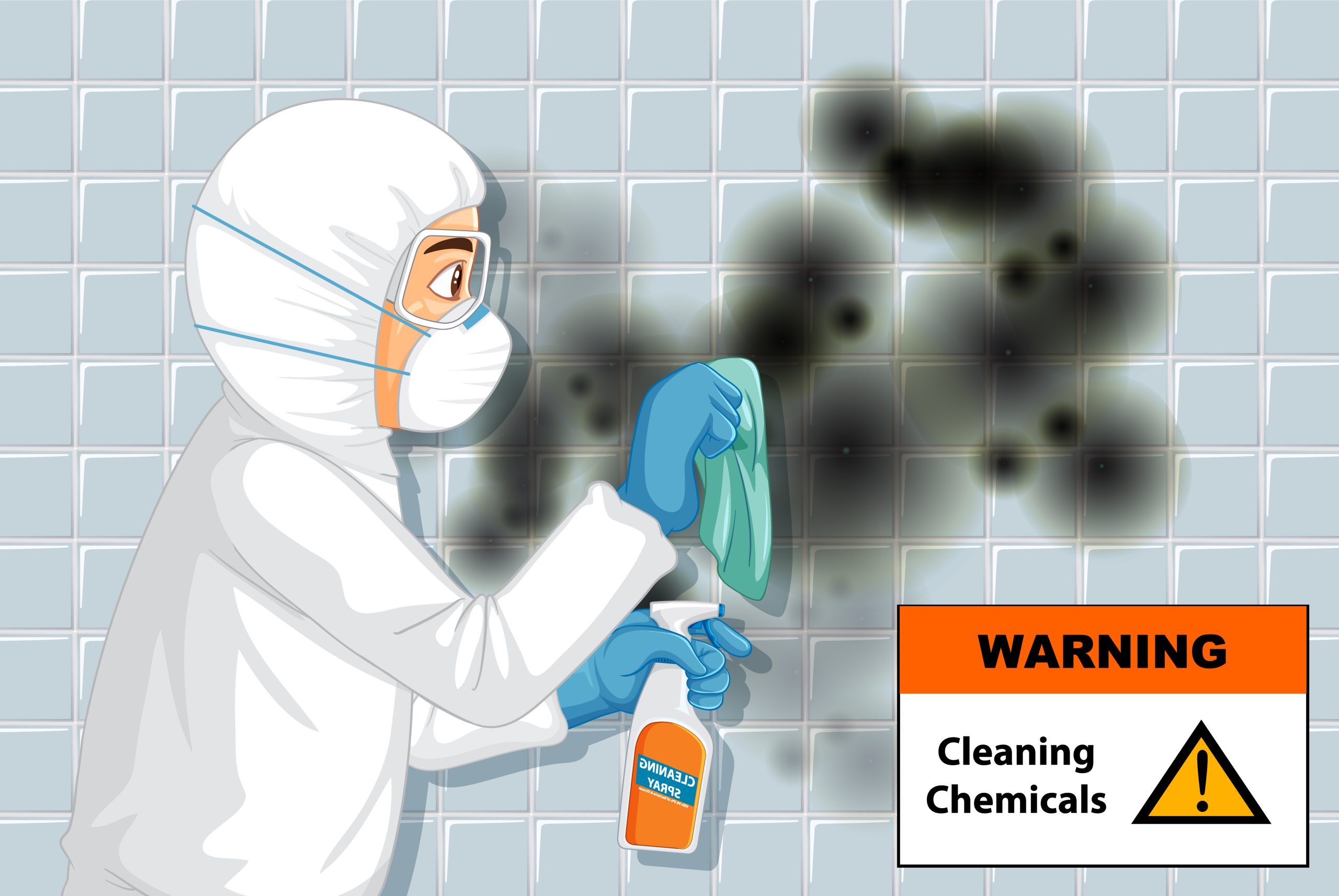
Mould Removal Experts, Australia – Everything You Need To Know
Caution: Toxic fungal infection cannot be simply dealt with bleach and scrubbing-bush. This extensive guide describes how professional mould remediation specialists in Australia operate, the process of expert removal, and why professional intervention is critical for severe infestations. Readers will discover how to spot indoor mould, determine whether to manage it themselves or call a professional, and they can use my prevention strategies immediately.
Key Takeaways
- Mould removal specialists are trained experts in identifying, containing, and safely removing harmful mould spores from residential and commercial properties.
- If not, professional remediation can alleviate the acute respiratory distress and structural issues that surface cleaning alone cannot prevent.
- The structured remediation program consists of five specific steps: inspection, containment, filtration, physical elimination, and moisture control drying.
- Professional remediation (rather than DIY) should be hired for water damage larger than one square metre or over a large area.
- The best way to stop future mould from forming is to keep indoor humidity levels below 60% and properly ventilate the space.
What Are Mould Remediation Experts In Australia?
Mould remediation specialists refer to accredited professionals who utilize complex equipment and scientific methods to eliminate toxic mould from buildings. These experts do not just clean visible fungal growth. Instead, why competent mould remediation specialists determine a moisture intrusion source and isolate the contaminated areas through negative pressurisation and remove airborne spores to restore safe indoor air quality.
In Australia, an accredited expert is usually certified by the Institute of Inspection, Cleaning and Restoration Certification (IICRC). This certification guarantees that the specialist acts strictly based on occupational health and safety standards. These professionals ensure that the root cause of moisture is removed, so property owners can eliminate issues with mold returning.
Why Australian Properties Need Professional Mould Removal
The reason why professional mould removal is important is that it protects human health and avoids long-term damage to the building structure. Toxic mould spores cause extreme allergic reactions, asthma attacks and respiratory infections. Australian Department of Health (2023a) Dampness and indoor mould [website]. Availability: This article is based on data available up to October 2023
Mold remediation experts use high-efficiency particulate air (HEPA) scrubbers and commercial, grade antimicrobial treatments not available to the general public. Household products may mask the appearance of mould but they do not kill the root structure embedded in porous materials such as plasterboard and timber. Professionals will vacuum out the whole insect, making positive that the environment is properly disinfected.
So then what are the most common types of indoor mould in homes here in Australia?
The unique and diverse climate zones of Australia contribute significantly to five main categories of indoor mould in homes around the country. These are the types of strains that mould remediation experts run into when examining your home.
| Mould Type | Typical Colour | Common Locations | Health Risks |
|---|---|---|---|
| Aspergillus | Yellow, green, or black | Air conditioning systems, damp walls, dust | Respiratory infections, allergic reactions |
| Cladosporium | Olive-green or brown | Bathrooms, window sills, painted surfaces | Skin rashes, eye irritation, asthma triggers |
| Penicillium | Blue or green | Water-damaged materials, wallpaper, carpets | Chronic sinus infections, allergic responses |
| Stachybotrys (Black Mould) | Dark greenish-black | Heavily water-damaged plasterboard, ceiling tiles | Severe toxic reactions, neurological issues |
| Alternaria | Dark grey or brown | Showers, under sinks, poorly ventilated areas | Asthma exacerbation, severe allergic rhinitis |
Determining the Enormity of Mould Problem for Property Owners
Musty odours which do not go away, fungal growth on walls and floors that cannot be accounted for by water intrusion, and unexplained physical health symptoms can help property owners find a serious mould problem. The first sign is often olfactory: the unmistakable, earthy scent that often comes before visual indicators.
Observation regarding need for testing and identification factors –
Visual Check: See if there is any discolouration on your walls, ceilings and skirting boards. Generally, it is a clustered spot of mould.
Moisture Mapping: Professionals use thermal imaging cameras and moisture meters to detect concealed water leaks behind walls.
Air Testing: Hygienists sample the air for microscopic spores present in the home environment.
Symptoms of Health: A cough, sneezing, or skin irritation that disappears when you leave the property shows that something is wrong with indoor air quality.
How does a professional mould remediation look like?
A well-defined multi-step process is followed during professional mould remediation to ensure that the procedure not only completely eradicatess and prevents cross-contamination. Mould remediation experts follow a systematic process:
Inspection and Damage Assessment
Moisture meters and thermal imaging are used to perform a detailed assessment by specialists. This is a process that defines the extent of contamination and the moisture source driving the growth.
Containment
Specialists put up hefty plastic sheeting physical obstacles to avoid airborne spores from traveling into clean regions. Additionally, they seal HVAC ducts and employ negative air pressure machines to keep the contaminated air contained.
Air Filtration
HEPA air scrubbers are high-tech machines that work around the clock to remove airborne spores of mould from the environment. This filtration process is run concurrently with the physical removal phase, to purify the air in this stage as well.
Removal and Cleaning
Other porous materials that cannot be salvaged, such as carpet or plasterboard severely impacted by an infestation will be stripped out by technicians. With non-porous surfaces, specialists use high-end antimicrobial agents to kill the mould at its source.
Drying and Restoration
For drying, the last and most extensive step uses commercial dehumidifiers and air movers. By bringing the building materials back to their regular dry standard mold can’t come back immediately.
Should You Choose DIY Mould Removal or Professional Remediation?
The decision to treat the mould yourself or hire a professional is entirely poised on how severe the infestation and which materials are impacted.
Choose DIY mould removal if:
- The area affected is limited to an area smaller than one square metre.
- Mould is growing on hard, non-porous surfaces such as shower tiles or glass.
- It was identified, temporary and quickly repaired moisture source (e.g. a spilled bucket).
That means you need to hire a professional mould remediation specialist if:
- The mould is very extensive (more than 1m2).
- The small amount of contamination is within some porous material, like plasterboard, timber framing, or carpets.
- This is due to contaminated water supplies that occur from sewage backups or large floods.
- The occupants of the property have impaired immune systems or severe asthma.
How to Choose the right mould remediating Specialist?
Validate their industry certifications, methodology, and local references to select the best mould remediation specialist. Since the Australian mould remediation industry is not heavily regulated by government licensing, international certification bodies are your best bet.
Look for IICRC credentials, mainly in Applied Microbial Remediation (official link). In addition, reputable experts will always provide a written scope of work to complete the task who knows about what precautions they plan to take as well as advocate for a post-remediation clearance test (often done by an impartial third-party hygienist) verifying that the property is indeed safe.
Rescue of the repair hero: personal or family to call out those sore thumbs? What are the dos and don’ts, you prevent at best prevention maintenance for homeowners?
For homeowners, the best prevention strategy is to keep the indoor moisture levels within bounds and supply houses with an ample stream of air. Mould is ubiquitous and needs water, air and food (in the form of organic material) to live, by removing the water source you break that life cycle.
Control Humidity : Keep the indoor humidity level between 30% and 50%. How can you use high-quality dehumidifiers during wet Australian coastal winters, humid tropical summers?
Maximise Vents: Never forget to turn on exhausts in bathrooms and kitchens. These appliances must be vented directly outside not into the ceiling space.
Making Repairs ASAP: Fix that dripping taps, leaking roof and window seals.
Keep the Sunlight in: Open your blinds and curtains to let natural light in during a sunny day. Ultraviolet light prevents fungal growth.
Clear Gutters: Make sure gutters are cleared regularly of leaves and debris to stop water from entering into the roof space and wall cavities.
Key takeaways on mould in Australian homes
So when it comes to indoor mold growth, making swift and sound decisions about addressing it is essential in order for you and your family to have a clean living environment. Small colonies of surface mould can be handled by general household cleaning, whilst major contamination may need the skills of a expert mould damage restoration company. Dedicated property owners in Australia can therefore preserve their investment and healthy lungs with swift action, certified professionals and no moisture retention.
Frequently Asked Questions (FAQs)
How much does professional mould remediation in Australia cost?
The approximate cost of professional mould remediation in Australia ranges from $500 to $4,000, highly reliant on the extent of infestation. Smaller, localized removals range on the lower end while a large focal point removal that includes containment set up, HEPA filtration, and plasterboard replacement will cost thousands.
What is the time frame of mould remediation?
Typically, the mould remediation process continues for a duration of one to five days. Removing paint with a water blaster from the inside of your bathroom in Perth may only take a handful of hours — if your entire house has been flooded needing structural drying, contained, andevacuated it could take nearly 1 week nonstop.
If your home is damaged, will homeowners insurance pay to get rid of mould early or does it add up?
Most policies will not cover mould removal unless the reason for the growth was due to an event covered by the policy, such as a storm or heavy rain causing a leak (though authorities recommend Australians obtain a specialist repairer who focuses on mould remediation). But if the mould is a direct result of an event that was sudden and covered, like (for example) storm damage or a burst pipe, then your insurance will likely cover those remediation costs.
Am I able to live in my house while mould remediation?
In the vast majority of cases, you will be able to remain in your house during mould remediation provided that the mould contamination is localized and that appropriate physical containment barriers can be established by professionals. If there is a substantial infestation, it affects the HVAC system or requires major structural alterations to be carried out, then you must temporarily move out for your own safety.
Our research suggests that bleach is ineffective at killing indoor mould.
Bleach does not work against indoor mould on porous surfaces such as wood or plasterboard Bleach just disguises the surface colour of mould and adds moisture to material, prompting funguscub roots to delve further and return quicker.






Leave a Reply