

Understanding the Importance of Underground Services Locating
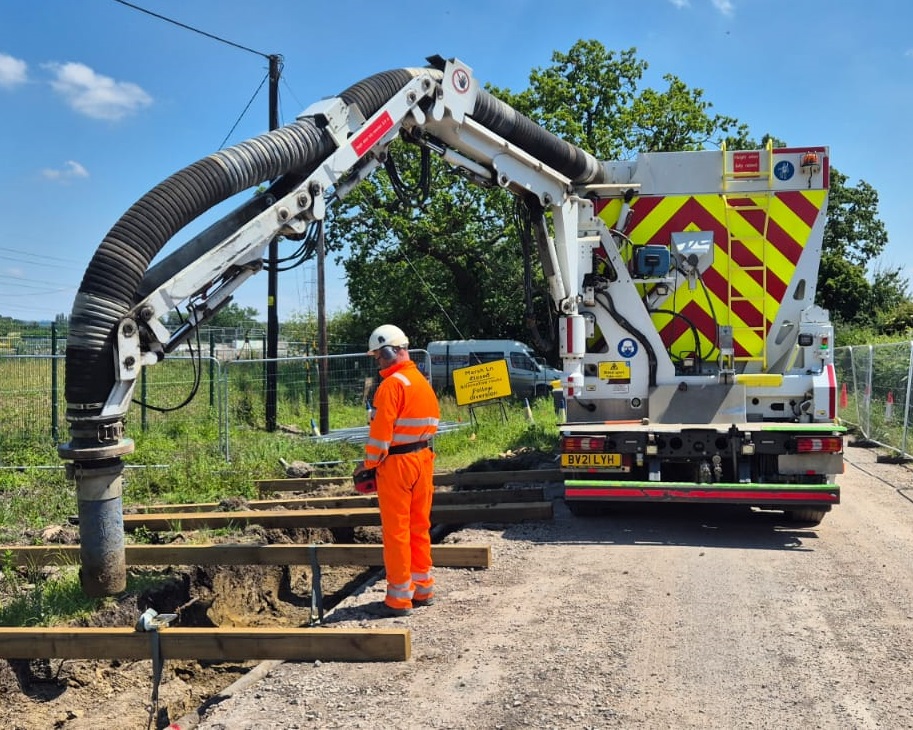
In today’s fast-paced world, infrastructure development is at an all-time high. With the expansion of cities, construction projects are becoming more complex, often involving the installation of various utilities underground. This is where underground services locating becomes crucial. Understanding and accurately identifying underground utilities can prevent costly damages, ensure worker safety, and maintain project timelines.
What Are Underground Utility Locating Services?
Underground utility locating services involve the process of identifying and mapping utilities that are buried underground. These utilities can include water lines, gas pipes, electrical conduits, telecommunication lines, and more. Locating these utilities before any excavation or construction work begins is vital for several reasons.
Why Is It Necessary?
The primary goal of underground services locating is to avoid damaging existing utilities during construction. Accidentally hitting a gas line or an electrical cable can result in dangerous situations, costly repairs, and project delays. By accurately locating these utilities, construction teams can plan their work around them, reducing the risk of accidents and ensuring a smoother project execution.
The Process of Underground Locating Services
Utility locating involves several steps and techniques to ensure accuracy. Here’s a breakdown of the typical process:
Preliminary Research
Before any physical locating begins, a thorough review of existing records is conducted. This includes maps, plans, and any available documentation that details the location of underground utilities. This preliminary research helps in creating an initial understanding of what utilities might be present in the area.
On-Site Survey
Once preliminary research is completed, a physical survey of the site is conducted. This involves the use of specialized equipment to detect and map the underground utilities. Some of the commonly used technologies include Ground Penetrating Radar (GPR), electromagnetic locators, and radio frequency locators.
Marking and Documentation
After identifying the underground utilities, they are marked on the ground using paint or flags. This visual marking helps construction teams avoid these areas during excavation. Additionally, detailed documentation is prepared, which serves as a reference for the duration of the project.
Technologies Used in Utility Locating
Modern technology plays a significant role in the accuracy and efficiency of underground utility locating services. Here are some of the key technologies used:
Ground Penetrating Radar (GPR)
GPR is a non-invasive method that uses radar pulses to image the subsurface. It is highly effective in detecting non-metallic utilities and providing a visual representation of the underground layout.
Electromagnetic Locators
These locators use electromagnetic fields to detect metallic utilities such as pipes and cables. They are particularly useful in urban areas where multiple utilities are present.
Radio Frequency Locators
Radio frequency locators work by sending signals through the ground to identify utilities. They are often used in conjunction with other methods to ensure comprehensive coverage.
Benefits of Underground Services Locating
There are several compelling reasons to invest in professional underground locating services:
Safety
Safety is the top priority in any construction project. Locating underground utilities significantly reduces the risk of accidents, such as gas leaks or electrical shocks, ensuring the safety of workers and the surrounding community.
Cost Savings
Avoiding damage to underground utilities can save substantial costs associated with repairs and project delays. It also helps in avoiding potential legal liabilities that could arise from utility damage.
Environmental Protection
By accurately locating utilities, construction projects can minimize environmental disruptions. This is particularly important when dealing with utilities that carry hazardous materials, such as sewage lines or chemical pipelines.
Compliance with Regulations
Many jurisdictions require utility locating before any excavation work. Adhering to these regulations not only ensures compliance but also prevents fines and legal issues.
Choosing the Right Underground Locating Service Provider
Selecting a reliable underground utility locating service provider is crucial for the success of your project. Here are some factors to consider:
Experience and Expertise
Look for providers with a proven track record and expertise in handling projects similar to yours. Experienced providers are more likely to deliver accurate and reliable results.
Technology and Equipment
Ensure that the provider uses modern technology and equipment. This not only improves accuracy but also enhances the efficiency of the locating process.
Reputation and Reviews
Research customer reviews and testimonials to gauge the reputation of the provider. Positive feedback from previous clients is a good indicator of the quality of service.
Comprehensive Services
Choose a provider that offers a comprehensive range of services, including preliminary research, on-site surveys, and detailed documentation. This ensures that all aspects of utility locating are covered.
Conclusion
Underground services locating is an indispensable part of modern construction projects. By accurately identifying and mapping underground utilities, these services help in preventing accidents, saving costs, and ensuring compliance with regulations. As infrastructure development continues to grow, the importance of professional utility locating cannot be overstated. For any construction project, partnering with a reliable underground locating service provider is a smart investment that ensures safety, efficiency, and success.






Leave a Reply