


SEO copywriting is crucial for anyone looking to boost their online presence. But what exactly is SEO copywriting, and why does it matter? Let’s dive into the essentials of SEO copywriting and how it can help improve your website’s rankings on search engines.
SEO copywriting combines the art of writing with the science of search engine optimization (SEO). It involves crafting content that is not only engaging and informative for readers but also optimized for search engines. By doing so, you ensure that your content ranks higher in search results, leading to increased visibility and traffic.
The beauty of SEO copywriting lies in its ability to merge creativity with analytical precision. Crafting compelling narratives that captivate readers while embedding strategic keywords is a delicate balance. This fusion requires a writer to not only understand the nuances of language but also the ever-evolving algorithms of search engines. The ultimate goal is to create content that resonates with human readers and aligns with search engine preferences.
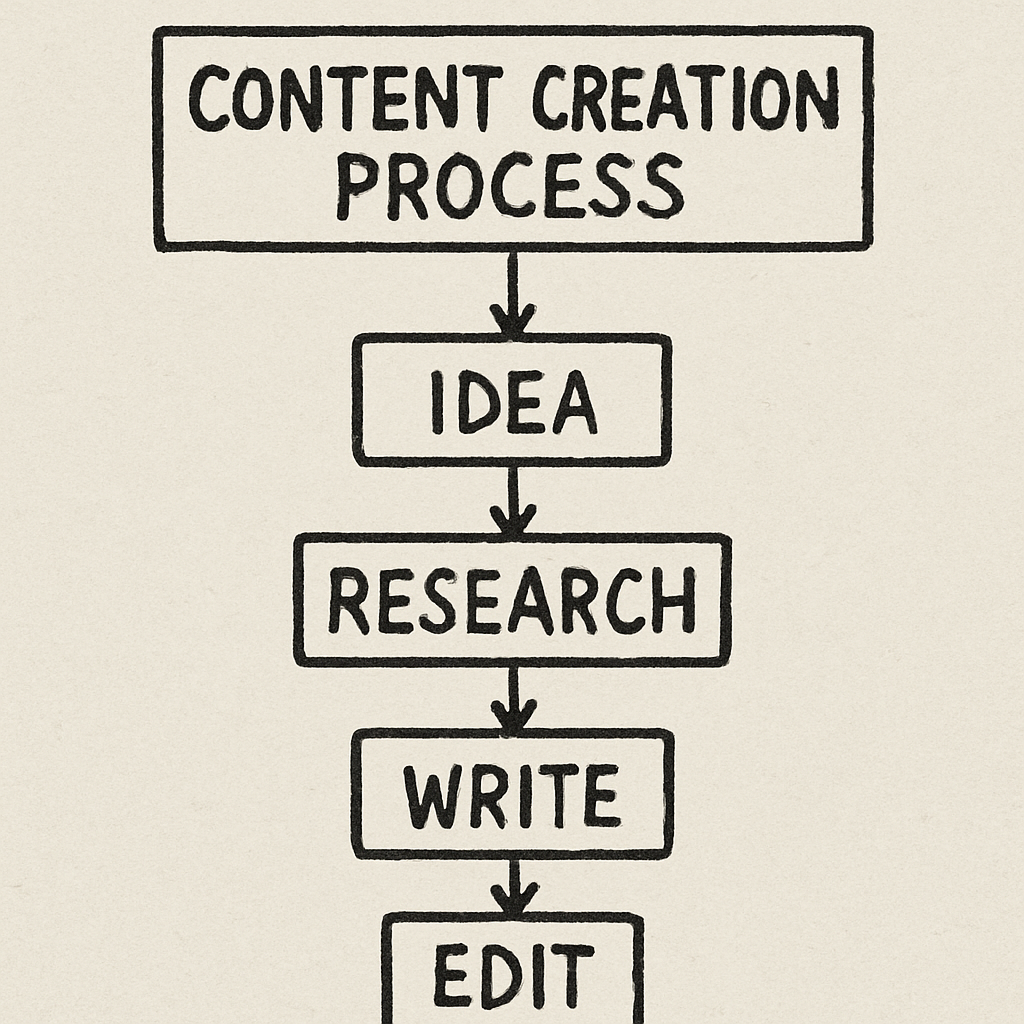
Creating content that is both engaging and informative is paramount. Engaging content grabs the reader’s attention and encourages them to spend more time on your page. Informative content ensures that your audience finds value in what you’re offering, solving their problems or answering their questions. This dual approach enhances user experience and can lead to higher search engine rankings due to increased engagement metrics.
Optimization is at the heart of SEO copywriting. This involves strategically incorporating keywords, utilizing meta tags, and ensuring your content is structured in a manner that search engines can easily crawl and index. Understanding the technical aspects of SEO, such as site speed, mobile-friendliness, and secure connections, also plays a role in how well your content performs in search results. Mastering these elements can significantly impact your online visibility.
SEO copywriting is important because it helps your content reach a wider audience. When your content ranks higher on search engine result pages (SERPs), more people are likely to find and read it. This can lead to increased website traffic, higher engagement, and ultimately, more conversions.
Expanding Your Reach
One of the primary benefits of effective SEO copywriting is the ability to reach a broader audience. By appearing at the top of search engine results, your content becomes more accessible to users searching for related topics. This increased visibility can lead to a surge in organic traffic, providing opportunities to convert visitors into loyal customers or subscribers.
Enhancing Engagement and Interaction
Higher rankings on search engines often correlate with increased engagement. When users find your content valuable, they are more likely to interact with it, whether by leaving comments, sharing on social media, or exploring other pages on your site. This engagement not only boosts your site’s authority but also signals to search engines that your content is relevant and useful, further improving your rankings.
Driving Conversions and Business Growth
Ultimately, the goal of SEO copywriting is to drive conversions. Whether your objective is to sell products, generate leads, or grow your subscriber base, effective SEO copywriting can help you achieve these outcomes. By attracting the right audience and providing them with valuable content, you increase the likelihood of turning visitors into paying customers, thus contributing to your business growth.
Key Elements of SEO Copywriting

To master SEO copywriting, you need to focus on several key elements. Let’s take a closer look at each of these components.
Keyword Optimization
Keywords are the foundation of SEO copywriting. They are the words and phrases that people use when searching for information online. By incorporating relevant keywords into your content, you can improve your chances of ranking higher in search results.
- Research Keywords: Start by researching keywords related to your topic. Use tools like Google Keyword Planner or Ubersuggest to find popular and relevant keywords. Understanding the search volume and competition for each keyword helps you prioritize which ones to target.
- Use Keywords Naturally: Once you’ve identified your target keywords, incorporate them naturally into your content. Avoid keyword stuffing, as this can harm your rankings. Instead, aim for a seamless integration that maintains the readability and flow of your content.
- Focus on Long-Tail Keywords: Long-tail keywords are longer, more specific phrases that are less competitive. They can help you target a niche audience and improve your chances of ranking higher. These keywords often reflect user intent more accurately, leading to higher conversion rates.
Creating Quality Content
Content is king when it comes to SEO copywriting. High-quality content not only attracts readers but also keeps them engaged. Here are some tips for creating quality content:
- Provide Value: Your content should provide valuable information that solves a problem or answers a question for your audience. Delivering actionable insights or unique perspectives can set your content apart from competitors.
- Be Clear and Concise: Write in a clear and concise manner. Avoid using jargon or complex language that might confuse readers. Clarity enhances comprehension and ensures that your message is effectively communicated.
- Use a Conversational Tone: Write as if you’re having a conversation with your audience. This makes your content more relatable and engaging. A conversational tone can also build trust and foster a connection with your readers.
- Include Visuals: Visuals like images, videos, and infographics can make your content more appealing and easier to understand. They break up text, illustrate points, and can significantly enhance user engagement.
Structuring Your Content
The structure of your content plays a significant role in SEO copywriting. A well-structured article is easier for both readers and search engines to understand.
- Use Headings and Subheadings: Break your content into sections using headings and subheadings. This makes it easier for readers to scan and find the information they’re looking for. Search engines also use headings to understand the main topics of your content.
- Write Short Paragraphs: Keep your paragraphs short and to the point. This improves readability and keeps readers engaged. Short paragraphs help maintain the reader’s attention and make your content more digestible.
- Include Bullet Points and Lists: Use bullet points and lists to present information in a clear and organized manner. They help highlight key points and make complex information easier to grasp, enhancing the overall user experience.
Meta Tags and Descriptions
Meta tags and descriptions provide search engines with information about your content. They play a crucial role in SEO copywriting.
- Title Tags: The title tag is the main headline that appears in search results. It should be descriptive, include your main keyword, and be under 60 characters. Crafting a compelling title tag can significantly impact click-through rates.
- Meta Descriptions: The meta description is a brief summary of your content that appears below the title tag in search results. It should be compelling, include your main keyword, and be under 160 characters. A well-written meta description can entice users to click on your link over others.
- Alt Text for Images: Alt text provides a textual description of images on your site. It helps search engines understand the content of the images, which can improve your SEO. Additionally, alt text enhances accessibility for visually impaired users.
Monitoring and Improving Your SEO Copywriting
Once you’ve implemented your SEO copywriting strategy, it’s essential to monitor its effectiveness and make improvements as needed.
Tracking Your Rankings
Monitoring your keyword rankings is crucial for assessing the success of your SEO efforts. Use tools like Google Analytics or SEMrush to track your keyword rankings and analyze your website’s performance. Regularly checking these metrics allows you to identify trends and make necessary adjustments.
Analyzing User Behavior
Pay attention to user behavior metrics like bounce rate, time on page, and conversion rate. These can provide insights into how well your content is performing. Understanding how users interact with your content helps you pinpoint areas for improvement and optimize the user experience.
Making Data-Driven Changes
Use the data you collect to make informed changes to your content. This might involve updating your keywords, rewriting sections, or adding new visuals. Continuously refining your strategy based on data ensures that your SEO copywriting remains effective and aligned with search engine algorithms.
Conclusion
Mastering SEO copywriting is an ongoing process that requires practice and patience. By focusing on keyword optimization, creating quality content, structuring your articles effectively, and monitoring your progress, you can improve your website’s rankings and reach a wider audience. So, start implementing these strategies today and watch your online presence grow! Remember, the digital landscape is constantly evolving, so staying updated on the latest SEO trends and adapting your strategies accordingly is key to sustained success.







Leave a Reply