

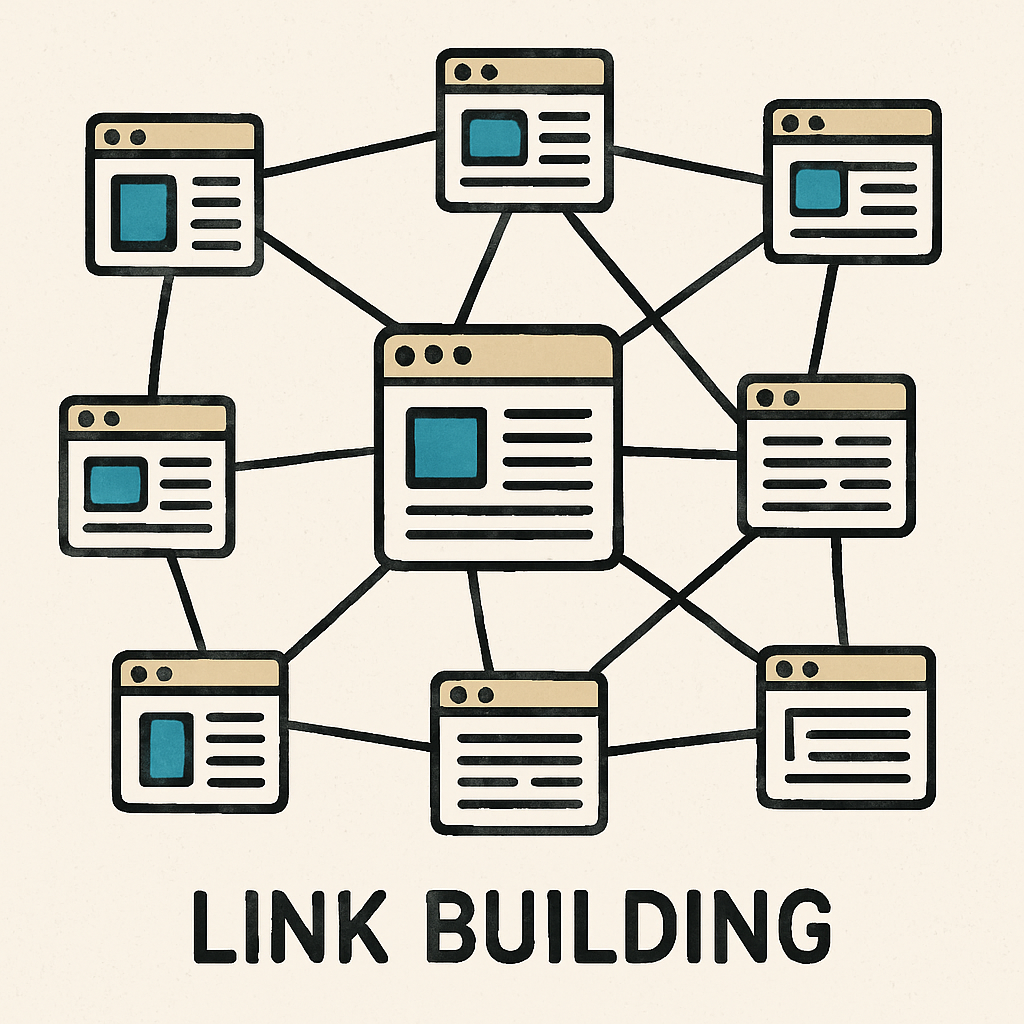
SEO link building is a vital part of digital marketing. It helps improve your website’s search engine ranking.
By acquiring quality backlinks, you can boost your site’s authority and visibility. But how do you build these links effectively?
This guide will explore proven link building strategies. You’ll learn techniques that drive results and enhance your SEO efforts.
From guest blogging to influencer outreach, we’ll cover it all. Discover how to create content that naturally attracts links.
Understand the importance of link quality over quantity. Learn to evaluate backlinks for authority and relevance.
We’ll also discuss advanced strategies for competitive edge. Explore tools and resources to streamline your link building process.
Avoid common mistakes that can harm your SEO. Know when to consider hiring a SEO link building agency.
Stay ahead with insights into future link building trends. Ready to elevate your SEO game? Let’s dive in!
Understanding SEO Link Building: The Basics
SEO link building involves acquiring hyperlinks from other sites. These links direct users to your webpage.
Each link acts as a vote of confidence in your content. They signal to search engines that your site is trustworthy.
This trust increases your site’s authority and ranking in search results. A website with more high-quality backlinks is favored.
Links can be seen as pathways through the internet. They connect related information across different websites.
But not all links are created equal. Focus on acquiring quality links from relevant sites.
Poor-quality or spammy links can harm your SEO efforts. Therefore, understanding link quality is crucial.

Key Benefits of Link Building:
- Improves search engine rankings
- Increases website referral traffic
- Enhances site credibility and authority
Embrace a strategic approach to link building. Use various techniques to achieve the best results. Building relationships and creating valuable content are essential.
These basics lay the foundation for your SEO strategies. Let’s explore why link building matters in achieving SEO success next.
Why Link Building Matters for SEO Success
Link building is pivotal for SEO. It improves your site’s visibility in search engine results. Higher visibility increases organic traffic.
When search engines evaluate a site, backlinks are a key factor. They consider both the number and quality of links.
Search engines use links to crawl the web. This process helps index new content. It also helps determine page relevance and authority.
High-quality backlinks can enhance your site’s search position. More visibility can lead to increased audience reach.
Effective link building boosts your site’s domain authority. This authority influences your ranking in search results.
Benefits of SEO Link Building:
- Enhances brand exposure
- Builds credibility and trust
- Drives more qualified traffic to your site
Neglecting link building can hinder your SEO performance. Sites with robust link profiles often outperform their competitors. Thus, integrating link building into your SEO strategy is essential. Achieving long-term success requires consistent and ethical link building practices. As we proceed, let’s delve into the key principles of effective link building.

Key Principles of Effective Link Building
To excel in link building, focus on core principles. Quality always trumps quantity in backlinks. Prioritize links from authoritative sites within your niche.
Relevance plays a crucial role in link building. Ensure the sites linking to you have related content. This relevance enhances the value of the backlinks.
Diversity in link sources prevents your profile from appearing unnatural. A mix of blogs, news sites, and forums ensures well-rounded link growth.
Anchor text diversity is another vital aspect. Use varied phrases to ensure a natural link profile. Overuse of exact-match keywords can trigger penalties.
Key Principles:
- Prioritize quality over quantity
- Maintain relevance in your links
- Diversify your link sources and anchor texts
Natural link acquisition is essential. Strive to earn links rather than manipulating them. Ethical practices align with search engine guidelines.
Consistency matters in maintaining a robust link profile. Regularly build and acquire new backlinks. This ongoing process helps sustain your SEO success.
Implementing these principles helps create strong link building strategies. They offer long-term benefits while mitigating SEO risks. Understanding these basics prepares you for exploring advanced techniques. Let’s move forward to discuss the types of backlinks that effectively contribute to your website’s authority.
Types of Backlinks: What Really Works
Backlinks come in various forms, each offering unique benefits. Editorial links are highly valuable. They come naturally from reputable sites featuring your content.
Guest post links are another effective type. You contribute content to external sites, earning a backlink in return. It’s a win-win, as both parties gain value.
Resource page links are also beneficial. Websites often list helpful resources, and being featured can drive traffic. Ensure your content is truly valuable to secure a spot.
Niche-specific directories provide strong backlinks within certain industries. These sites serve a targeted audience and offer highly relevant backlinks.
Types of Backlinks:
- Editorial links
- Guest post links
- Resource page links
- Niche-specific directory links
Each type of backlink requires a strategic approach. Consider your content goals and target audience. Align your link building strategies with these objectives.
Remember that not all backlinks are equal. Focus on acquiring high-quality links that align with your brand. These will enhance your SEO efforts and boost your website’s credibility.
Evaluating Link Quality: Authority, Relevance, and Placement
Evaluating link quality is crucial for an effective SEO strategy. A backlink’s value depends on three main factors: authority, relevance, and placement.
Authority refers to the trust and recognition of the linking site. High-authority sites lend credibility to your own. Sites with strong reputations can transfer this through backlinks.
Relevance is equally important. Links from sites in your niche or industry carry more weight. They signal that the content is related and useful.
Placement impacts how a backlink is perceived. Links within the main content have more value. They are contextually integrated, enhancing user engagement and SEO.
Key Factors of Link Quality:
- Authority: Trust and recognition of the linking site.
- Relevance: Contextual connection to your niche.
- Placement: Position within the content.
Low-quality links can harm your SEO efforts. Avoid links from spammy or unrelated sites. These may lead to search engine penalties.
Focus on earning links that meet these criteria. Regularly monitor your backlinks for quality assurance. Consistent evaluations will strengthen your SEO strategy and online presence.
Link Building Techniques That Drive Results
Effective link building relies on proven techniques. These techniques elevate search rankings and boost site authority. Let’s explore some strategies that truly deliver.
Guest blogging is a popular method. It involves creating content for other sites to earn backlinks. This exchange benefits both parties, enhancing reach and credibility.
Broken link building is another strong tactic. Find broken links on target sites, then suggest your content as a replacement. This helps site owners fix their issues while you gain a backlink.
Creating linkable assets is essential. These are resources so valuable that others want to link to them. High-quality guides, tools, and infographics excel in attracting links.
Powerful Link Building Techniques:
- Guest blogging
- Broken link building
- Creating linkable assets
- Digital PR and outreach
Digital PR involves promoting content to media and journalists. When executed well, it can yield significant backlinks from high-authority domains.
Steps to Implement:
- Identify broken links.
- Create high-quality replacement content.
- Reach out to site owners offering your solution.
Influencer collaboration can boost link building. By partnering with respected voices, your content gains visibility and valuable links.
Master these techniques for impactful link building. Each requires strategic execution but offers substantial rewards for your SEO efforts.
Guest Blogging for High-Quality Backlinks
Guest blogging remains a proven strategy for earning high-quality backlinks. It involves creating relevant content for other sites in exchange for links back to your own.
To get started, identify websites that align with your niche. Ensure they have strong domain authority for maximum impact. Tailor your pitch to demonstrate value and relevance.
Once accepted, craft content that informs and engages the audience. Quality and relevance are paramount. A compelling article not only earns links but also extends your reach to new audiences.
Guest Blogging Steps:
- Identify relevant sites with strong authority.
- Craft a compelling pitch.
- Create high-value content.
Always adhere to the host site’s guidelines. This ensures compliance and fosters positive relationships with editors.
Leverage your author bio to create an effective call-to-action. Encourage readers to explore more on your own site, boosting traffic and engagement.
This technique enhances your authority and builds lasting connections. Guest blogging offers consistent results when approached strategically and authentically.
Broken Link Building: Step-by-Step Guide
Broken link building is a strategic method with great potential. It involves finding non-functional links on other sites and proposing your content as a replacement.
Begin by identifying the target websites. Use tools like Check My Links for a quick scan of broken links on these pages. Prioritize sites related to your niche.
Next, create or identify valuable content on your site that corresponds with the broken link. Ensure it’s high-quality and relevant to the site’s audience.
Steps for Broken Link Building:
- Identify target websites.
- Use tools to find broken links.
- Offer content that matches the broken link’s topic.
Reach out to site owners with a helpful email. Politely inform them of the broken link and suggest your content as a useful fix.
Provide clear, concise proposals. Highlight the benefit of updating their content and assure it aligns well. This assistance fosters positive relationships and often results in valuable backlinks.
When implemented effectively, this method helps improve your backlink profile. It simultaneously provides value to site owners, solving their broken link issues.
Creating Linkable Assets: Content That Attracts Links
Linkable assets are high-value resources designed to earn backlinks. These could be comprehensive guides, infographics, or interactive tools.
Start by identifying what content your audience finds most valuable. Research existing successful assets in your industry. This informs your creation process and ensures it fulfills current demand.
Invest time and effort into creating your asset. Quality and utility are essential for maximum appeal and shareability. Well-designed infographics and in-depth guides naturally attract attention.
Types of Linkable Assets:
- Comprehensive guides
- Infographics
- Interactive tools
- Original research
Optimize your asset for both search engines and users. This boosts discoverability and encourages more natural linking from other sites.
Promote your linkable asset once complete. Use outreach strategies, highlighting its unique value and relevance to the target audience.
Creating linkable assets requires careful planning and execution but offers substantial rewards. By offering clear value, you encourage organic backlinks and improve your site’s authority.
Digital PR and Media Outreach
Digital PR marries public relations with digital marketing. This approach aims to increase online visibility and earn backlinks through media coverage.
Start by creating newsworthy content. This could include product launches, industry reports, or innovative company updates.
Identify journalists or bloggers interested in your niche. Craft personalized pitches highlighting why your story matters. Effective communication is key to piquing media interest.
Digital PR Tactics:
- Newsworthy content creation
- Identifying relevant media contacts
- Crafting compelling pitches
Leveraging press releases can amplify your story’s reach. Distribute these via PR distribution services to maximize exposure.
Successful digital PR encourages authoritative websites to link back. Building credibility and driving referral traffic are tangible outcomes.
This strategy demands creativity and persistence but yields high-quality backlinks. It’s an investment in your brand’s online presence and authority.
Leveraging Influencer and Blogger Relationships
Building relationships with influencers and bloggers can enhance your backlink profile. Their established audiences offer opportunities for exposure and trust transfer.
Start by identifying relevant influencers in your niche. Assess their engagement rates and content quality to ensure alignment with your brand.
Reach out with personalized communications. Explain the mutual benefits of collaborating, whether through guest content or product reviews.
Influencer Collaboration Steps:
- Identify suitable influencers
- Craft personalized outreach
- Propose mutually beneficial collaborations
Offer value in your proposition. Whether it’s exclusive content access or partnership opportunities, ensure it’s enticing for the influencer.
This collaboration can result in powerful backlinks. Influencers’ endorsements carry weight and help build credibility with new audiences.
Leverage these partnerships strategically for mutual growth. A well-orchestrated campaign enhances both visibility and authority through high-quality backlinks.
Using Testimonials and Reviews for Backlinks
Testimonials can be a unique backlink source. Offer feedback to partners or businesses you’ve worked with. They often add your testimonial along with a link back to your site.
Identify businesses whose products or services you’ve genuinely used. Reach out with a testimonial highlighting your positive experience.
Ensure your testimonial is informative and sincere. Authenticity increases its likelihood of publication and can lead to valuable backlinks.
Benefits of Testimonials:
- Build rapport with businesses
- Gain backlinks
- Showcase expertise
Leverage these connections to foster mutual growth. Aside from backlinks, this builds trust and strengthens business relationships.
Using testimonials and reviews creatively can enhance your SEO efforts. It’s a simple yet effective method for link building that requires minimal resources.
Internal Linking Strategies for SEO
Internal linking is a cornerstone of effective SEO. Proper internal linking distributes link equity and enhances site architecture.
Identify cornerstone content within your site. These are authoritative resources you want to prioritize through internal links.
Strategically place links to these pages throughout your site content. Use contextual relevance to guide users naturally through your pages.
Internal Linking Tips:
- Focus on cornerstone content
- Ensure contextual relevance
- Maintain a logical structure
Internal links support user navigation, improving site metrics such as page views and dwell time. They also help search engines understand your site’s hierarchy.
Regularly audit and update your internal linking structure. This maintains its effectiveness and aligns with your SEO goals. Internal linking, done correctly, boosts both user experience and search rankings.
Advanced Link Building Strategies
Advanced link building strategies offer deeper insights and improved results. Such techniques often require more effort but yield substantial rewards.
One advanced method involves conducting competitor backlink analysis. By examining the links pointing to your competitors, you can identify opportunities for your own site. This strategy helps uncover new avenues for acquiring high-quality links.
Another approach focuses on data-driven content. Original research and unique findings attract interest from other websites, leading to valuable backlinks. This content should be well-researched and offer new insights to maximize shareability.
Local SEO link building is vital for businesses targeting specific regions. It involves securing links from local directories, chambers of commerce, and community-based sites.
Multilingual link building expands your reach to international audiences. Translating your content into multiple languages can generate diverse backlinks from various geographic locations.
Advanced Strategies:
- Competitor backlink analysis
- Data-driven content
- Local link building
- Multilingual outreach
Another vital component is leveraging partnerships with educational institutions. This often involves offering scholarships or resources that attract backlinks from educational websites.
These advanced strategies require strategic implementation. However, they effectively enhance your SEO efforts by building a diverse and authoritative backlink profile.
Competitor Backlink Analysis and Replication
Competitor backlink analysis is a powerful tactic. It involves examining the links gained by your competitors to spot opportunities for your site.
Begin with tools like Ahrefs or Moz to uncover competitor backlinks. Identify the websites and types of content they link to.
Next, determine why these pages garnered links. It could be their content quality, unique data, or relationship with the linking site.
Once you comprehend the factors, create similar or superior content. Reach out to those linking sites, offering your content as an alternative.
Steps for Replication:
- Use SEO tools to find backlinks.
- Analyze reasons behind the links.
- Create comparable superior content.
- Approach linking sites.
This strategy helps not only in acquiring new links but also in improving content quality. It builds on existing successful patterns, adapting them for your advantage.
Data-Driven Content and Original Research
Creating data-driven content is a compelling link building method. Original research offers exclusive insights, making it highly link-worthy.
Begin by identifying topics lacking comprehensive data in your industry. Conduct surveys or leverage internal data to provide fresh insights.
Craft thorough and informative reports based on your findings. Present data visually with charts and infographics to enhance shareability.
Once published, promote your research through outreach, highlighting the unique insights it offers. This attracts backlinks from domains seeking credible sources.
Elements of Data-Driven Content:
- Original research
- Surveys and internal data
- Visual presentation of findings
Data-driven content bolsters your authority. It provides sites with solid evidence, encouraging them to link back to your research. This strategy requires dedication but significantly boosts link equity.
Local SEO Link Building Methods
For local businesses, link building must focus on geographic relevance. Local SEO link building ensures that you’re visible in your community.
Start by engaging with local business directories. Submit your site to trusted directories and ensure your NAP (Name, Address, Phone number) consistency.
Collaborate with community websites or local bloggers to create content. Highlight local events or charitable activities related to your niche for increased engagement.
Local Link Building Methods:
- Business directory submissions
- Collaborations with local sites
- Hosting community events
Attend local events and network with fellow business owners. Such interactions often lead to mentions or links on community sites.
Prioritize your local SEO approach to dominate your regional market. These methods enhance your local presence and connect you with potential customers.
Multilingual and International Link Building
Expanding globally requires multilingual link building. This approach involves optimizing content for various languages, reaching broader audiences.
Begin by translating key content into target languages. Hire native speakers to ensure clarity and cultural relevance.
Engage with international directories and forums. These platforms offer exposure and opportunities for backlinks from diverse regions.
Multilingual Link Building Tactics:
- Translating content
- Engaging in international directories
- Cultural awareness in content creation
Collaborate with local influencers or sites in your target markets. This builds trust and authenticity, boosting link acquisition.
Utilizing multilingual strategies not only expands your audience but also strengthens your site’s authority. It’s an effective means of attracting links from varied cultural backgrounds.
Outreach: Building Relationships for Sustainable Links
Successful link building heavily relies on outreach. Building authentic relationships sets the foundation for sustainable link acquisition. This strategy focuses on long-term connections rather than quick wins.
Begin with identifying potential partners. Look for websites that align with your niche and values. Use tools like Hunter.io to gather contact information efficiently.
Craft personalized outreach emails. Address recipients by their name and mention specific content or reasons you’re reaching out. Highlight common interests or past interactions for a more personalized touch.
Keys to Effective Outreach:
- Personalization
- Relevance
- Common interests
Maintain clear communication. Follow up courteously if there’s no immediate response. Show appreciation for any cooperation, regardless of the outcome.
Consider offering value in your outreach. Propose collaborations that benefit both parties, such as joint content creation or promotional exchanges.
Types of Collaborative Opportunities:
- Guest posting
- Joint webinars
- Cross-promotion
This approach enhances your network and can lead to high-quality backlinks. Genuine relationships foster trust and mutual benefits. Investing time in this strategy can yield enduring results for your SEO link building efforts. Establishing rapport opens doors to unforeseen opportunities. It turns link building into a collaborative endeavor, benefiting all parties involved.
Tools and Resources for Effective Link Building
To boost your link building efforts, leverage various tools and resources available. These tools simplify the process of finding, analyzing, and managing backlinks.
Ahrefs is a popular choice among SEO professionals. It provides insights into competitors’ link profiles, helping identify link opportunities.
Google Search Console offers valuable data about your site’s current backlinks. It lets you monitor link performance and identify any issues swiftly.
Essential Link Building Tools:
- Ahrefs
- Google Search Console
- SEMrush
SEMrush is another comprehensive tool. It aids in competitor analysis and offers site audits to improve your SEO strategy. Use it to spot link gaps and potential areas for improvement.
Don’t forget Chrome extensions like Check My Links. They streamline link-checking directly on your browser, ensuring link quality on the go. Integrate these resources into your strategies for effective, time-saving link building campaigns. The right tools are pivotal for an efficient link building process.
Monitoring, Analyzing, and Maintaining Your Backlink Profile
Regularly monitoring your backlink profile ensures its health and relevance. Use tools like Ahrefs or SEMrush to track changes.
Evaluate new links to ensure they come from authoritative sources. Quality is more crucial than sheer volume in link building.
Use Google Search Console to identify and disavow harmful links. Ignoring toxic backlinks can harm your site’s reputation.
Steps to Maintain Backlink Health:
- Regularly check for new backlinks.
- Analyze links for authority and relevance.
- Disavow any harmful or spammy links.
Analysis doesn’t stop at your site. Investigate competitors’ backlink profiles to adapt and improve your strategies. Keep refining your approach based on these insights. Remember, a robust backlink profile is a cornerstone of sustainable SEO success. Continuously maintaining it builds trust with search engines, aiding long-term rankings. Stay proactive; timely adjustments can make a significant difference.
Common Link Building Mistakes to Avoid
Link building, when done poorly, can backfire. Avoid these common pitfalls to maintain SEO health.
First, never buy backlinks. Search engines can penalize sites with bought links, harming your rankings.
Second, avoid irrelevant links. Focus on quality links that relate to your content or industry.
Lastly, neglecting anchor text diversity can be a misstep. Using varied, natural anchor text benefits your SEO.
Mistakes to Steer Clear Of:
- Purchasing backlinks.
- Pursuing irrelevant or spammy links.
- Overusing the same anchor text.
Steer clear of these traps. A thoughtful, quality-focused approach to link building ensures long-term success in SEO. Prioritize organic growth and adapt as necessary.
When to Hire a SEO Link Building Agency
Knowing when to enlist a professional SEO link building agency can elevate your online presence. Agencies offer expertise and resources that might be lacking in-house.
Consider hiring an agency if you lack time. Managing link building while juggling other tasks can compromise quality.
Expertise is another reason. Agencies have specialized knowledge and access to advanced tools that may be costly otherwise.
Finally, if your current strategies yield little success, an agency could be the remedy. Their fresh perspective might uncover opportunities you’ve missed.
Reasons to Hire an Agency:
- Lack of time or resources.
- Need for specialized expertise.
- Ineffective current strategies.
An agency can offer scalable solutions. Evaluate your needs and consider their potential to enhance your SEO efforts.
The Future of Link Building: Trends and Predictions
SEO link building is ever-evolving, influenced by search engine changes and digital trends. Staying ahead requires insight into upcoming developments.
Voice search and AI are revolutionizing SEO. As these technologies advance, link building must adapt to new search behaviors and patterns. Anticipating these changes allows for strategic adjustment.
User experience is becoming central. Links must connect valuable, user-focused content to thrive in the future SEO landscape. This approach enhances both engagement and rankings.
Future Trends to Watch:
- Increasing role of AI and voice search.
- Emphasis on user experience in link building.
- Shifts in content consumption patterns.
Long-term success depends on adapting strategies to these trends. Stay informed to leverage future opportunities.
Conclusion: Building a Sustainable Link Building Strategy
Link building is more than just acquiring backlinks. It’s about building credibility, authority, and trust with your audience. Achieving this requires a thoughtful, ongoing strategy.
Focus on creating authentic relationships. Engage with your industry peers and audiences to foster natural link growth over time. Prioritize quality and relevance of links rather than sheer volume.
Remember, sustainable link building hinges on perseverance and adaptability. Stay updated with the SEO landscape. Embrace changes, refine techniques, and maintain a user-centered approach for enduring success.





Leave a Reply