

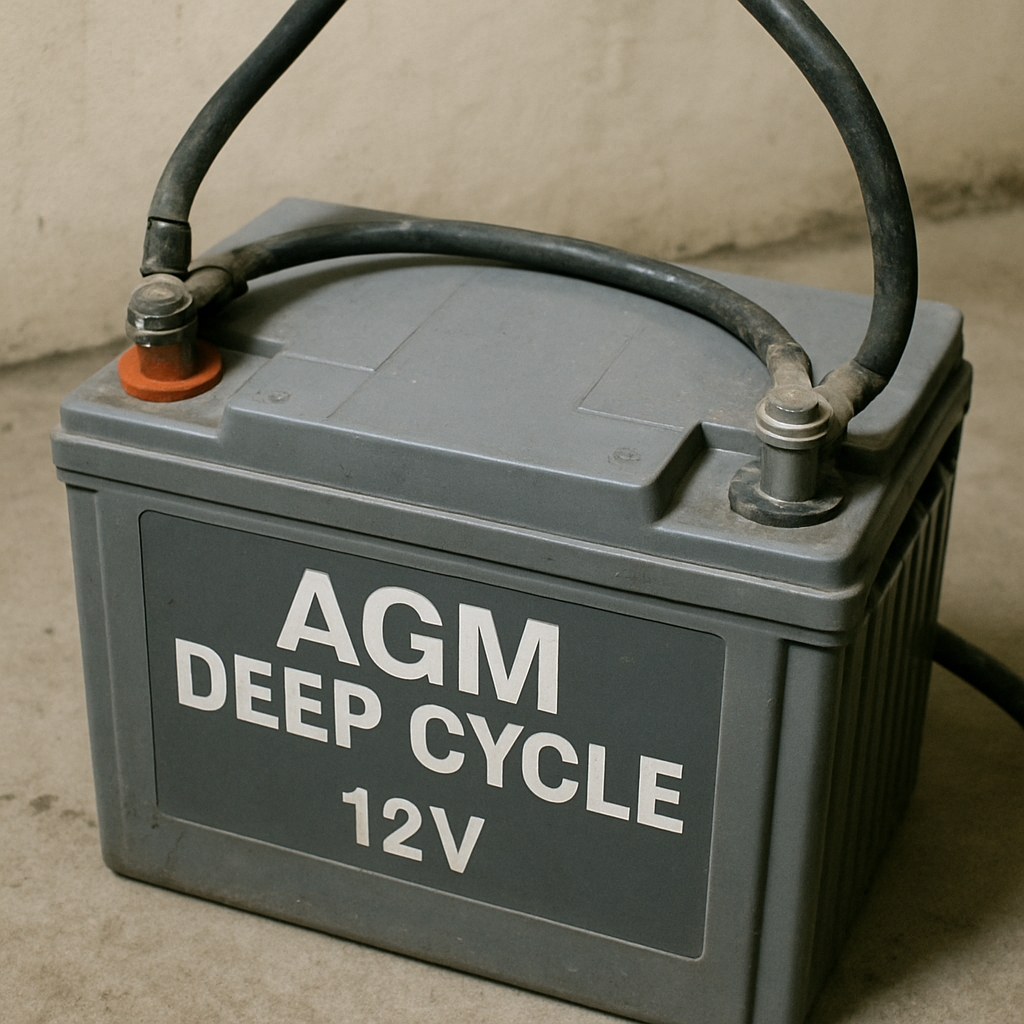
AGM batteries have become a popular choice for many applications, from recreational vehicles to solar energy systems. These batteries offer several advantages over traditional lead-acid batteries, but they also come with their own set of drawbacks. In this article, we’ll break down the pros and cons of AGM batteries to help you decide if they’re the right choice for your needs.
AGM stands for Absorbent Glass Mat, a technology used in batteries to make them more efficient and durable. In an AGM battery, the electrolyte is absorbed into a fiberglass mat, which is sandwiched between the battery’s lead plates. This design helps prevent spills and leaks, making AGM batteries safer and more reliable.
Pros of AGM Batteries
Maintenance-Free Operation
One of the biggest advantages of AGM batteries is that they are maintenance-free. Unlike traditional lead-acid batteries, which require regular topping up with distilled water, AGM batteries are sealed and do not require any maintenance. This makes them an ideal choice for applications where regular maintenance is difficult or inconvenient, such as in recreational vehicles or remote solar installations.
Better Performance
AGM batteries generally offer better performance than traditional lead-acid batteries. They have a lower internal resistance, which allows them to deliver higher currents and recharge faster. This makes them well-suited for high-demand applications, such as powering an RV or a deep cycle solar battery system.
Longer Lifespan
AGM batteries typically have a longer lifespan than traditional lead-acid batteries. They are more resistant to vibration and shock, which can extend their service life, especially in rough environments like off-road vehicles or boats. Additionally, AGM batteries have a lower self-discharge rate, which means they can hold a charge for longer periods when not in use.
Versatile Applications
AGM batteries are versatile and can be used in a wide range of applications. Whether you need a 12 volt AGM deep cycle battery for your RV or a 100 amp hour deep cycle battery for a solar energy system, AGM batteries can meet your needs. They are also available in various sizes and capacities, from 100ah AGM deep cycle batteries to larger 200ah deep cycle options.
Cons of AGM Batteries
Higher Cost
One of the main drawbacks of AGM batteries is their higher cost compared to traditional lead-acid batteries. The advanced technology and materials used in AGM batteries make them more expensive to produce, which is reflected in their price. However, considering their longer lifespan and better performance, the initial cost may be offset over time.
Sensitivity to Overcharging
AGM batteries are more sensitive to overcharging than traditional lead-acid batteries. Overcharging can cause the battery to heat up and potentially damage the internal components. To avoid this, it’s essential to use a compatible charger and regularly monitor the battery’s state of charge.
Limited Deep Discharge Capability
While AGM batteries are designed for deep cycle applications, they are not as tolerant of deep discharges as some other battery types. Repeatedly discharging an AGM battery below 50% of its capacity can reduce its lifespan. For applications requiring frequent deep discharges, such as off-grid solar systems, it may be worth considering other battery technologies.
Weight Considerations
AGM batteries are generally heavier than traditional lead-acid batteries, which can be a concern in weight-sensitive applications like boats or recreational vehicles. While their higher energy density can offset this drawback to some extent, it’s essential to consider the weight factor when selecting a battery for your specific needs.
AGM Batteries in Different Applications
Recreational Vehicles
AGM batteries are a popular choice for RV owners due to their maintenance-free nature and robust performance. A 12 volt AGM deep cycle battery can power various onboard systems, such as lighting, appliances, and entertainment systems, without the need for frequent checks and maintenance.
Solar Energy Systems
For solar energy systems, AGM batteries provide reliable energy storage and can handle the cyclical charging and discharging associated with solar power. A 100ah deep cycle battery, for example, can store enough energy to power essential devices during cloudy days or at night.
Marine Applications
In marine environments, AGM batteries offer excellent durability and resistance to vibration, making them ideal for use in boats and yachts. A 120ah AGM battery can provide power for navigation systems, lighting, and other onboard equipment without the need for maintenance or risk of spills.
Choosing the Right AGM Battery
When selecting an AGM battery, consider factors such as capacity, voltage, and application requirements. For example, a 100ah AGM deep cycle battery may be suitable for smaller systems, while a 200ah deep cycle battery might be necessary for larger installations.
Additionally, consider the cost of AGM batteries and weigh it against their benefits, such as longer lifespan and better performance. Remember that investing in a high-quality battery can save you money in the long run by reducing the need for replacements and maintenance.
Conclusion
AGM batteries offer several advantages, including maintenance-free operation, better performance, and longer lifespan. However, they also come with some drawbacks, such as higher cost and sensitivity to overcharging. By carefully considering the pros and cons of AGM batteries, you can make an informed decision about whether they are the right choice for your specific application.
Whether you’re powering a recreational vehicle, a solar energy system, or a marine vessel, AGM batteries provide a reliable and efficient energy solution. Evaluate your needs and choose the appropriate AGM battery to ensure optimal performance and longevity for your setup.







Leave a Reply